Blogs

Planning and Scheduling - Stage 1

Conception bring us to a time before any recorded execution plan and schedule. It is the zero point in time where the fate of the project is most uncertain. From this origin comes initiation or Stage 1.

A feasibility study and a business case becomes the primary foundation of stage 1. It has to be strongly aligned to the business overall strategy. If it is not, it is best to kill the project before it takes further roots.

My First Book Signing @ Indigo-Signal Hills, Calgary

20-May-2017
 
My first book signing event went well today at Indigo Signal Hill. I met a lot of interesting, intelligent people and was able to introduce the book to them.
 
Had some lively discussion with a few who said that the book was timely. Some promised to check online.
 
My next book signing event is after two weeks, June 3, 2017, Saturday, at Chapters Chinook. I hope to see some of you there!
It's another good day today!

Planning & Scheduling through the Gates

Project planning and scheduling processes follow a management framework called the Project Implementation Model (PIM). Such model divides the project into sub-boundaries called stages, gates, or checkpoints.

Does not really matter what proprietary term they call it. Company Y can call it Y-PIM (Company Y Implementation Model). Construction firm ABC might call theirs ABC-PIM.

Company ABC can call it any name because the name will not affect the framework’s gated process effectiveness.

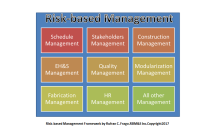
Risk-based Management Framework

A project management framework is important in effectively managing projects. Planning and scheduling management framework is essential in managing plans and schedule. An engineering management framework governs engineering works as does a safety management framework provide standards and guidance to all safety works.

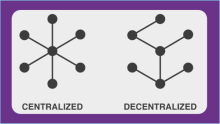
Project Management: Centralized vs. Decentralized Delivery

There is an ongoing dialogue in many enterprises: Should project management be a centralized, shared-service?  Or, should project managers be decentralized and embedded within their functional organizations? 

The answer is, "it depends."  Every enterprise is unique with its own organizational structure, culture, expectations, and needs.  Similarly projects and programs have different characteristics that may favor one model over another. 

This article outlines considerations for making this decision.

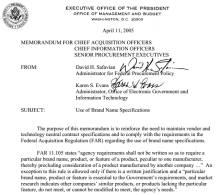
The USACE CPM Schedule Specification

The Specification is full of errors and is biased in favor of specific software.

Just take a look at a few sections, it is a disaster.

2.1 SOFTWARE - 2.1.2.2 Other Than Primavera - If the contractor chooses software other than Primavera P6, that is compliant with this specification, provide for the Government's use two licenses, two computers, and training for two Government employees in the use of the software. These computers will be stand-alone and not connected to Government network. Computers and licenses will be returned at project completion.

Filed Under

Recommended Steps to Effective Gate 1 IAP

Interactive Planning (IAP) is a methodology used by projects to engage important stakeholders and subject matter experts in a facilitated workshop setting.

The engagement process is through collaborative discussion of project plan and strategy to develop a reliable, complete, and successful project schedule. Interactive Planning is also widely known as Participative Planning (PP).

Precaution: