Blogs

Scaling Your Project Management Career

Project managers ascend the career ladder based on accumulated experience-derived wisdom and managing progressively larger and more complicated efforts.  A typical trajectory involves moving from managing projects to programs, portfolios, and project management organizations.  Success at one level is not a guarantee of success at the next.  It is the classic case of “what got you here will not get you there.”  

Are We Aligned?

Stakeholder alignment—or lack thereof—can be the difference between project success and failure. In today’s dynamic business environment, projects face multiple stakeholders and constituencies. Often, these groups have competing or divergent interests.  

Hybrid Project Management: Part 3, Picking the Approach

A project manager’s first major decision is selecting the approach and lifecycle.  Historically, this was a non-issue.  The default option was preordained based on the project type, organizational preferences, and inertia.  

Construction and engineering projects were always predictive. For software projects, organizational factors outside the project manager’s control often drove the predictive versus agile decision.  Ad hoc and homegrown project approaches skipped standard practices and lacked repeatability or consistency.  

Project Data Visualization

A picture is worth a thousand words.  

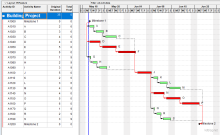
Projects can generate a lot of data. Large, mature organizations generally have the tools to capture, store, and analyze this information effectively. However, small and less mature organizations and those leading non-traditional efforts often lack the tools, practices, and experience.