
Fed up with adverts from software companies and consultancies that are going to change the world of Planning and solve all your project problems? This series of occasional articles promises nothing but thought provoking questions on how well we understand the basics of our profession from the perspective of a retired planner with 50 years’ experience in the industry whose worked in a variety of UK EPC roles for Clients and Contractors with no axe to grind. We are going to look at PEOPLE, PROCESSES, and PROCEDURES (the old 3P’s – not 4P’s, 5P’s, 6P’s or 7 P’s)that we all have been educated and trained to use in our everyday work (5W’s + 1H) and POKE THEM IN THE EYE / LOOK UNDER THE STONE (the Inverse Universe) and get into trouble with the planning profession because for loads of reasons were not doing so well. If you want to contribute to this soul searching drop me a line with either POSITIVE or NEGATIVE comments (yes, we are PLANNERS that can hold both views at the same time!)
PROCEDURES No 14 – Minimum Planning Expectations from THE MANAGEMENT!
(I decided to leave my blog No 13 – AI the Future – for my final blog)
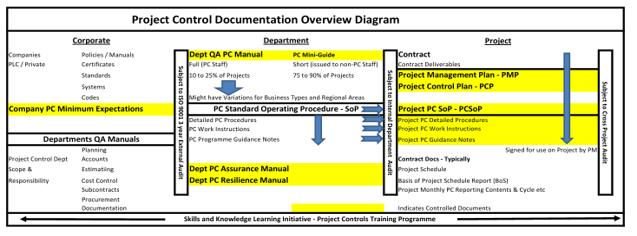
So exactly what is expected of planning from the Senior Management Team? Let’s explore some typical requirements and in further PROCEDURES blogs see how the planning team delivers these. Let’s look at a typical document overview.
Strap Line – Is it the 5 Golden Rules, the 10 Minimum Expectations or the 25 key Planning Points you are expected to follow?
Let’s see how senior management define the minimum expectations for planning across the company and on projects. Deviations are allowed, but the planning lead must gain agreement with the nominated bid or project lead prior to project initiation. These are minimum requirements, and Individual Business Areas should supplement these with their own additional requirements as needed. This should be agreed and signed off at the appropriate level of governance from the Business Unit. For existing projects, the extent of implementation must be reviewed and agreed. After gaining agreement, the nominated planning lead must record/list all deviations prior to project initiation. A copy of the agreed list of deviations should be stored within the project filing system. The 15 sections in this document cover the lifecycle of projects from Tender to project close out.
These sections highlight the planning documentation required for every new project. These documents are designed to ensure the project team fully understands how the nominated planner will discharge their duties to comply with the Minimum Expectations set out in this document.
NB - The detail within these section headings will differ from company to company. This should be read with the formal planning procedures / instructions and planning manuals issued by the company and the project QA Project Controls Plan.
Section & Title Contents
01 Principles of Planning
- 5 Goldens Rules
- The Way We Plan
- Responsibilities of the Planner
02 Configuration and Strategy Overview
- Purpose
- Governance
- Appointing the Planning Team and Lead Planner by Project Lead
- Programming New Assets and Mitigating Delays:
- Complete and Integrated Programme
- Programme Levels and Construction Team Interface
- Programme Management and Administration
- Configuration of Planning Software
- Reporting Outputs
- Interface with Supply Chain
- Records, As-built data, and Benchmarking
- Integrity and Compliance Checks
- Common Company Activity Coding
- Quantitative Schedule Risk Analysis
- Information Storage and Archiving
03 Governance
- Roles in Governance Commercial Group Minimum Expectations
- Planning Group Minimum Expectations
- Gated Business Lifecycle
- Compliance
- Document Review
04 Competence of Planners
- Competence and Experience, HR Interface
- Planning Role Deliverables
- Skills and Knowledge Initiative
05 Programming new assets and mitigating delays
- Scope and Completions Requirements
- Work Breakdown Structure
- Methodology
- Time Risk Allowance
- Programme Requirements
- Activities
- Working Time and Calendars
- Preconstruction Activities
- Construction Activities
- Post Construction Activities
- Approach to Mitigation
- Delay Recording and Administration
- Commercial Department Interface
- Audit Trail for Change.
06 Complete and Integrated Programme
- Whole Project Lifecycle
- Lifecycle Elements
07 Programme Levels & Construction Team Interface
- Planning Hierarchy
- Programme Requirements by Type
- Programme production responsibilities
08 Programme Management & Administration
- Programme Register
- Document References
- Programme Review Method and internal sign off
- Preparation and Acceptance of Revised Programmes
- Progress Measurement and Forecasting
- Rules of Credit
- Productivity and Outputs, QS BoQ, Cost Plan Interface
- Baseline Programme
- Basis of Schedule document
- Short Term Programmes Interfaces
- Change Management
09 Consistent Reporting
- Reporting Definition
- Programme and Planning Controls
- Reporting Timescales
- Key Performance Metrics
- Company reporting requirements
10 Interface with Supply Chain
- Supply Chain Programme Requirements
- Programme Acceptance
- Responsibilities of the Planner
11 Records, As-built Data and Benchmarking
- Records
- As-built Data
- Benchmarking
- Company database
12 Programme Integrity and Quality Checks
- 14 Point Check, Schedule Checker etc
- Corrective Action
- Peer Review
13 Use of Common Company Activity Coding
- Company Activity Coding Requirements
- Common Coding Tree / Account Code list
14 QC&SRA (Quantitative Cost & Schedule Risk Analysis)
- Requirement
- Planning input
- Risk Register input
- Commercial input
- Results Analysis and Presentation
15 Information Storage and Archiving
- Information Storage
- Archiving
- Company databases
Glossary of Programme Terms
- Contract Programme - Referred to as Clause 32 Programme (NEC3), Clause 14 Programme (ICE), or Clause 8.3 (FIDIC 2017)
- Baseline Programme - Once the Contracted Programme is accepted by the Client, it becomes the baseline for performance measurement purposes.
- Updated Programme - This is the periodically updated Contract Programme for progress reporting
- As Built Programme - This is a marked-up Contract Programme showing cumulative as-built progress.
- Target Programme - This must be the same as Contract Programme but with the Time Risk Allowance (TRA) removed from the activities or group of activities.
Question to you all –
Do you know your minimum expectations? Would you like to add anything?
For my next blog (No 15) in PROCEDURES I am looking at the Planning Standards that we use