08.0 - MANAGING COST ESTIMATING & BUDGETING
08.1 - Module 08-1 - Introduction to Managing Cost Estimating & Budgeting
08.2 - Module 08-2 - Develop Cost Estimating & Budgeting Policies & Procedures Manual
08.3 - Module 08-3 - Define The Estimates Purpose And Scope Of Work (Owner)
08.4 - Module 08-4 - Creating the Owners Cost Estimate (Top Down)
08.5 - Module 08-5 - Define the Estimates Purpose and Interpret the Scope of Work (Contractor)
08.6 - Module 08-6 - Developing the Contractors Cost Estimate (Bottom Up)
08.7 - Module 08-7 - Validate The Time & Cost Trade-Offs
08.8 - MODULE 08-8 - VALIDATING HORIZONTAL AND VERTICAL INTEGRATION
This module is identical to Module 7.8- Validating Horizontal and Vertical Integration but instead of applying to the schedule data (i,e, dates, sequence etc) it applies specifically to costs and resources.
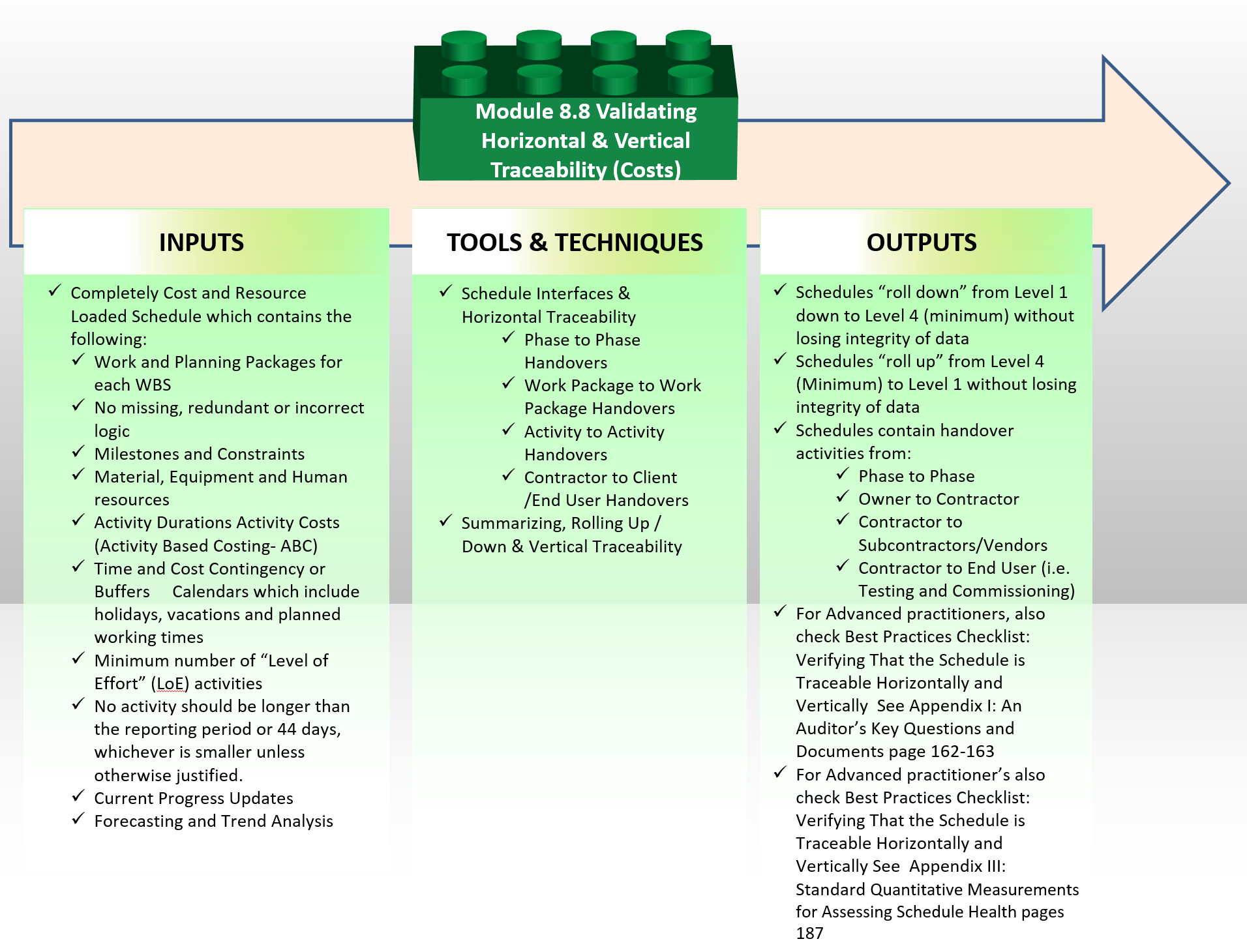
Figure 1 - Validating Horizontal and Vertical Integration Process Map
Source: Guild of Project Controls
08.8.1 INTRODUCTION
The second quality control check project control professionals need to conduct is to ensure that the schedule can “roll up” and “roll down” without losing any activities or data. While this may be easy enough in principle, when you consider that owners, consultants, contractors, sub-contractors and vendors not only have different CPM scheduling software packages but also use different activity coding structures, the enormity of this task can begin to be understood.
Which is why it is so important for the OWNER’s project control team to have input into the specification wording in the contract documents, under CSI Masterformat/Omniclass Table 22, General Conditions, 22-01 32 00 through 22-01 32 10 to ensure that:
(1) the software the consultants, contractors, sub-contractors and vendors use is compatible with the software the owner is using;
(2) The owner has defined the Activity ID coding structure
(3) The owner has defined the Activity Coding fields and coding structures (i.e. Omniclass Table 21, 22 and 31) 4) The owner has defined the Resource Codes/Resource Dictionary
Note for those using FIDIC contract documents you will have to check to see EXACTLY where this information can be found. It is under General Conditions as CSI/Omniclass has it but there are no references to any specific Paragraph or Clause.
As can be appreciated, this is not a onetime event but a continuous process which needs to start in the early phases of the project life span, probably around Phase 2 or latest Phase 3.
Failure to standardize and define these fields will result in chaos and the inability to roll up or roll down the schedules. To add to the complexity of this problem, these coding structures also have to be coordinated with and agreed to by finance and procurement departments as well.
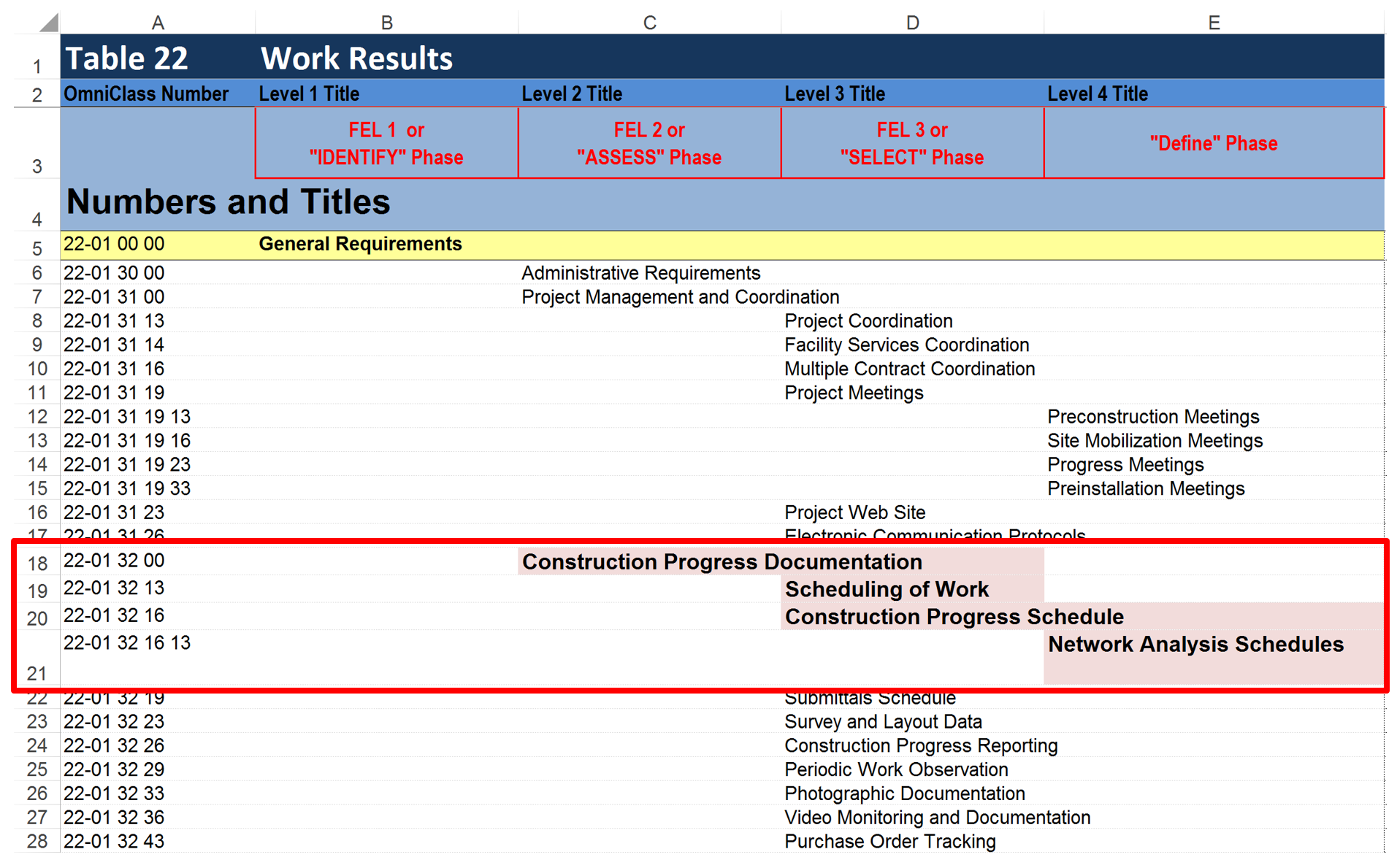
Figure 2 – Standard Codes to Aid integration
Source: Omniclass Tables (n.d.)
08.8.2 INPUTS
Completely Cost And Resource Loaded Schedule Which Contains The Following:
- Work And Planning Packages For Each Wbs Element (100% Of Necessary Activities)
- No Missing, Redundant Or Incorrect Logic
- Milestones And Constraints
- Material, Equipment And Human Resources
- Activity Durations Which Are Realistic And Achievable
- Activity Costs (Activity Based Costing- ABC)
- Time And Cost Contingency Or Buffers Appropriate To The Riskiness Of The Project, Work Package And/Or Activity
- Calendars Which Include Holidays, Vacations And Planned Working Timesminimum Number Of “Level Of Effort” (Loe) Activities
- No Activity Longer Than The Reporting Period Or 44 Days, Whichever Is Smaller.
08.8.3 TOOLS & TECHNIQUES
08.8.3.1 Schedule Interfaces & Horizontal Traceability
Horizontal Traceability is a simple concept yet one which is frequently missing in schedules. What horizontal traceability is asking us to validate is whether there are cost loaded activities which cover handovers from one phase to another or from one trade or contractor to another or from the contractor to the owner. A good example of this is the handover of the finished project to operations which is often labelled as “Testing and Commissioning”. Without the activities and the costs associated with those activities, the testing and commissioning process is likely to be inefficient, which can turn an otherwise positive project for both owner and contractor into a less than successful project.
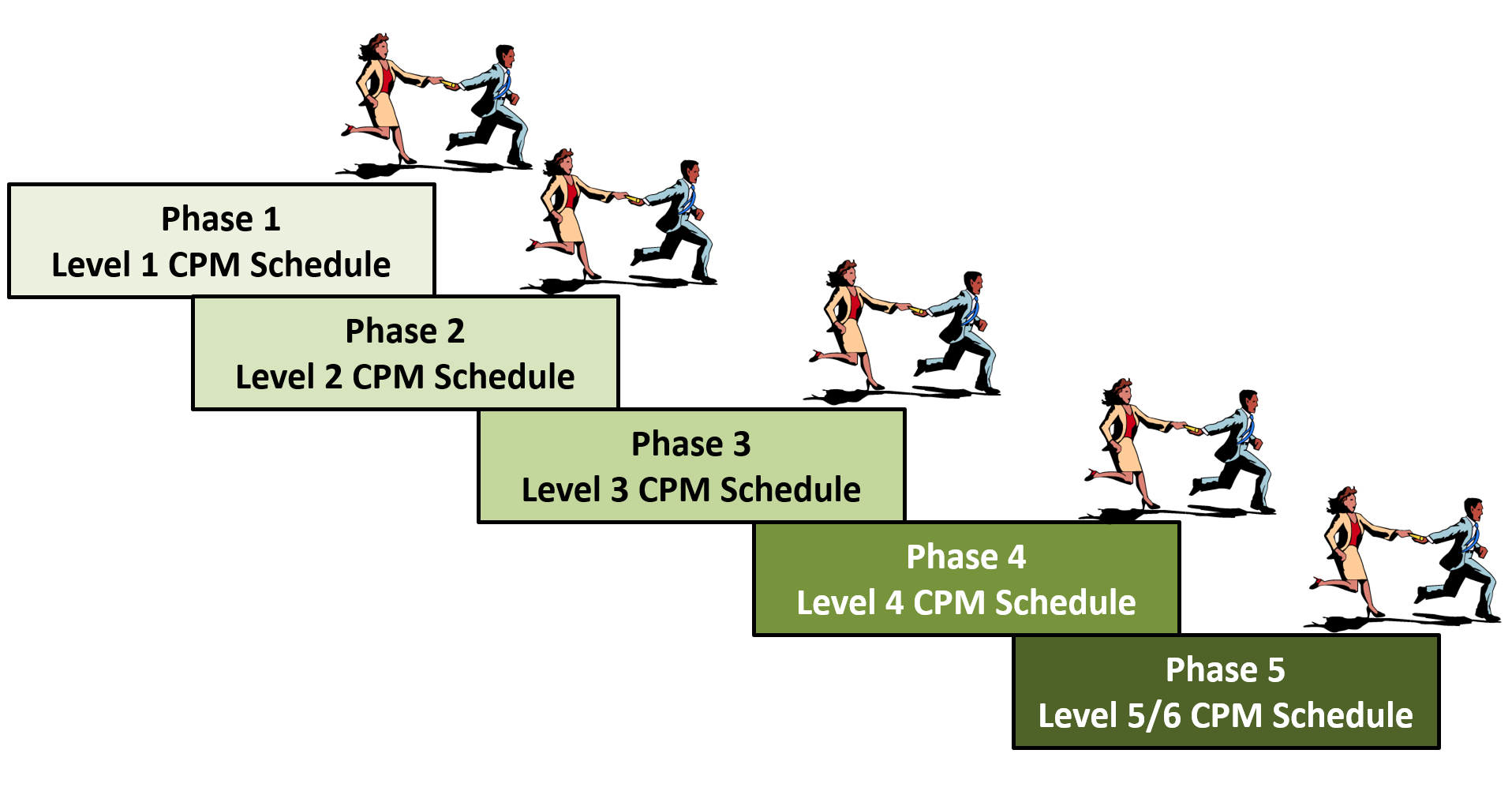
Figure 3 - Illustrating the concept of Horizontal Traceability in terms of COSTS
Source: Giammalvo, Paul D (2015) Course Materials Contributed Under Creative Commons License BY v 4.0
From a risk management perspective, the greatest risk comes from missing one of the handovers, the best analogy being runners in a relay race, where they have to hand over the baton to the next runner, with both of them running at exactly the same speed while the transfer of the baton is taking place. This form of Horizontal Traceability if most commonly known as Schedule Interfaces.
Schedule interfaces are anything that requires relationships or coordination with schedule activities and provides potential conflicts with the schedule that might cause delay. Interfaces can be categorised into two main types:
- External Interfaces - occur between Contractor & Client and their external organisations and are usually outside of the control of the contractor’s responsibility.
- Internal Interfaces - occur within work areas of Contractor’s responsibility and usually occur between disciplines, design teams, sub-consultants or sub-contractors.
Interfaces can be Tangible or Hard Interfaces and have a physical connection such as a structural steel connection, pipe termination, or cable connection etc. However, interfaces can also be Intangible or Soft Interfaces or Technical Interfaces and involve only the exchange of information such as design or performance criteria, clearance requirements or utility needs between project team(s) and / or additional internal or external stakeholders. The can also be Execution Interfaces which occur when different contractors, teams or design / implementation specialists are dependent on each other (these are usually managed by project or construction type managers).
While organisations and projects may have sophisticated interface management plans, systems, responsibility matrixes, meetings and methodologies, the scheduler should capture Internal and External interfaces in the schedule so that they are identified and assigned an Interface Date that can be prioritised, monitored, reported and delivered.
Interfaces often impact on progress (e.g. hinder it or facilitate it) and as such planning and managing is improved when they are integral parts of the schedule and its inherent logical relationships.
Interfaces in the schedule will have predecessor activities which will need to be completed in order to all the interfaces to occur, or be concluded. Such interfaces will also have successor activities which can only commence after the interface has been completed. It is therefore vital that the scheduler investigates, incorporates and gains team acceptance of the interfaces to be included within the project schedule when it is created.
The planner or scheduler should ensure integration with the project’s interface systems and, by utilising the schedule, should monitor the status of the interface actions to enable active follow‐up by the project team.
When a project or organisation implements a formal interface management system each interface is assigned a unique ID number. The scheduler should attempt to incorporate these references into the schedule in order to link the schedule with the live project interface system.
08.8.3.2 Summarising, Rolling Up / Down & Vertical Traceability
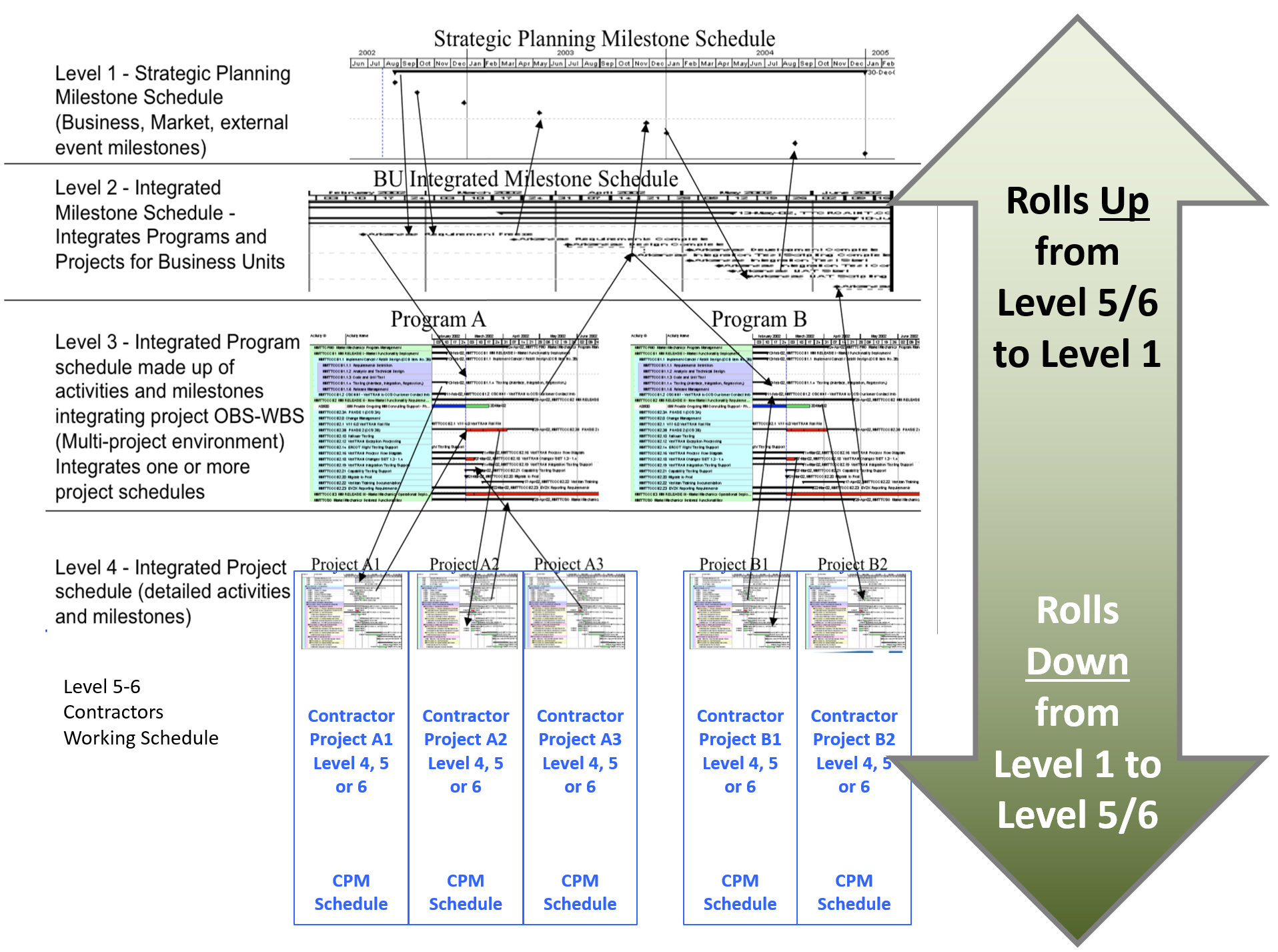
Figure 4 - Vertical Traceability Illustrated
Source: Giammalvo, Paul D (2015) Course Materials Contributed Under Creative Commons License BY v 4.0
The schedule needs to be utilised by different people with differing needs and objectives (i.e. site teams need a detailed schedule, site manage may need a summarised version for the scope within his remit, whilst the overall project management team may want a much higher level summary schedule) therefore it is vital that the schedule is be capable of being “organised” and “summarised” using the WBS codes or other coding structures assigned to the activities such that a multitude of useful detailed and summary level schedules / reports can be generated during the progress of the works to address the needs of different stakeholders.
Whilst it is recognised that numerous software systems exist, each with slight differences and alternative capabilities, here is an explanation about “WBS Summary Activities” from the Oracle Primavera P6 Help system explaining the concept and benefits of “Summarising, Rolling Up / Down”:
- A WBS summary activity type represents a group of activities that share a common work breakdown structure (WBS) level.
- The summary-level WBS activity enables the rollup of dates for the activity group.
- Rollup values (i.e. dates etc) for a WBS summary activity are calculated when the project is scheduled.
- The duration of a WBS summary activity extends from the start of the earliest activity in a group to the finish of the latest activity.
- The WBS code of a WBS summary activity determines which activities comprise the group.
- For example, a WBS summary activity assigned to WBS code A, would roll up values for all activities under any subordinate WBS that relates to code A: A.1, A.1.1, A.2, A.2.1, and so on. If the WBS summary activity in this case were assigned to WBS code A.1, it would roll up values for activities under WBS A.1 and A.1.1, but not for those activities under A.2 or A.2.1.
While this concept seems easy enough to understand in principal, when you start to work with schedules which are 6 levels deep and you have an Engineering Schedule, a Procurement Schedule, a Construction Schedule and a Testing and Commissioning Schedule, all being created by different consultants, contractor and vendors, the task of integrating all of them and ensuring all these schedules can “roll up” or “roll down” often becomes a major challenge, particularly to owner’s project controls practitioners.
Ideally it is the OWNER who needs to dictate the WBS and other coding structures, which was one of the primary drivers behind the creation of the OmniClass and Norzok Z-014 standardized WBS/CBS coding structures. This needs to be done in the Contract Documents. Another important consideration by owners is to ensure that whatever scheduling software the contractors, subcontractors and key vendors are using is COMPATIBLE with the scheduling software being used by the Owner’s project control department. Explained another way, in order to achieve both vertical and horizontal traceability or integrity, the different software packages either need to be able to exchange data directly OR be importable using the various database formats. (i.e. CSV (Comma Delimited) or DIF (Data Interchange Format) Only by the owner taking charge and establishing these requirements can they hope to be able to fully integrate the schedules and have them roll up or down to the level of detail they need to make management decisions. It should be noted though that CONTRACTORS can and do use and utilise alternative coding structures if they should wish.
This is the reason behind why Project Control professionals, both on the owner and contactor side, need to be familiar with the technical specifications, in particular, Division 1- General Conditions, for this is where these requirements are to be found. (Omniclass Table 22, Line Item 18, number 22-01 32 00 “Construction Progress Documentation”)
Alternatively, if the Owner or Contract Documents do not prescribe this, it is the Cost Estimator/Project Controllers task to work with the project team to develop a WBS/CBS and other coding structures that meets everyone’s needs, or better yet, adopt a standardized WBS/CBS/Activity Coding structure such as Omniclass or Norzok Z-014, both of which provide multi-dimensional sorting and filtering options.
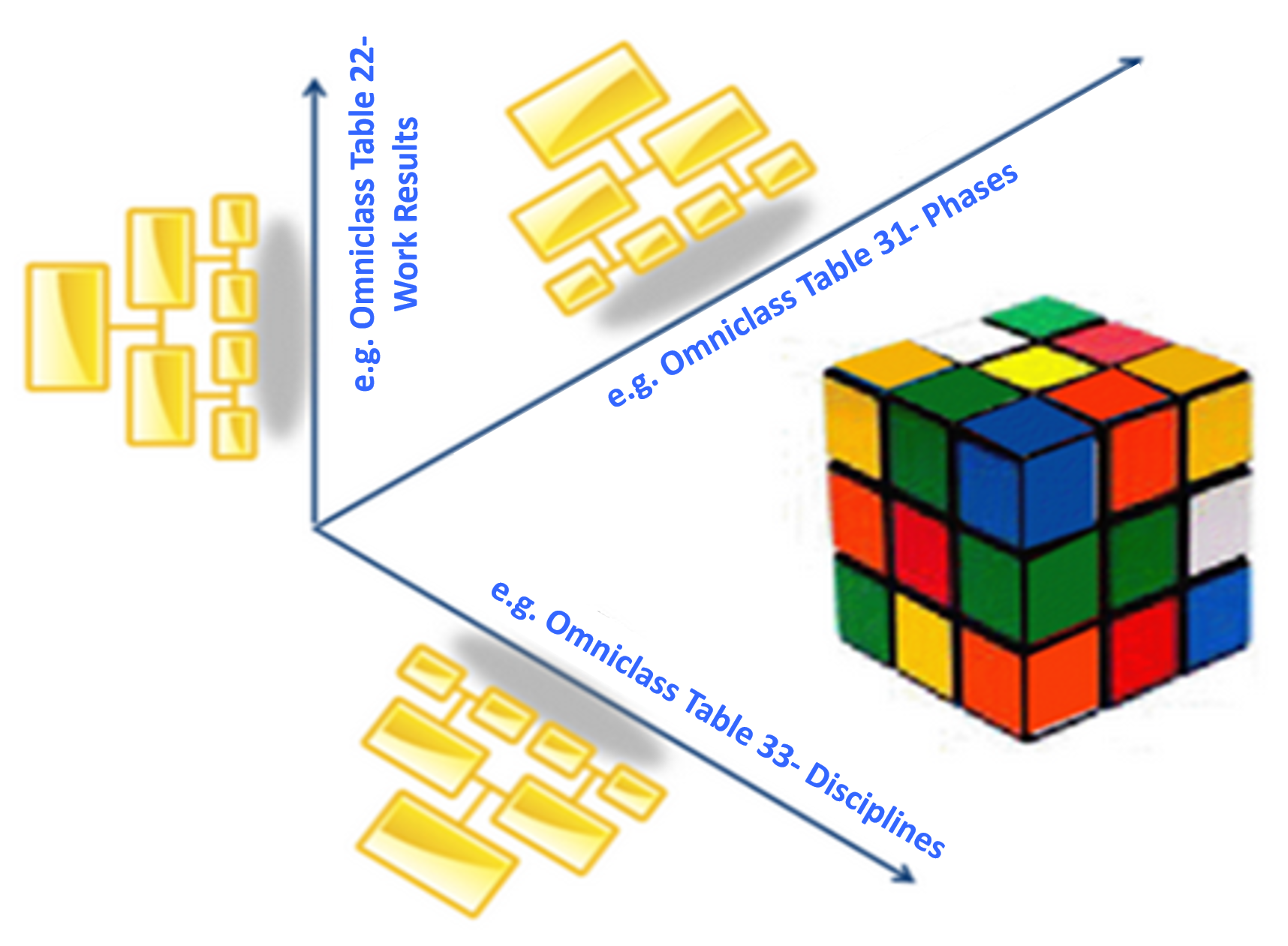
Figure 5 - Illustrating the concept of using Omniclass Tables or other Sort Codes to View the Project
Source: Moine, Jean Yves, Leynaud, Xavier and Giammalvo, PD (2015) Creating and Using Multi-Dimensional WBS Structures
Figure 5 above provides us with a conceptual approach behind the use of Activity Codes as the basis to view or sort or filter our project from many different perspectives. This provides the project control professional with the ability to customize the presentation of his/her schedule specifically to meet the needs of any individual or groups of stakeholders. This is one of the driving forces behind the evolution of CSI Master and Uniformat, Norzok Z-014 into what we know today as Omniclass.
08.8.4 OUTPUTS
- Schedules And Their Associated Costs “Roll Down” From Level 1 Down To Level 4 (Minimum) Without Losing Integrity Of Data
- Schedules And Their Associated Costs “Roll Up” From Level 4 (Minimum) To Level 1 Without Losing Integrity Of Data
- Schedules Contain Cost And Resource Loaded Handover Activities From: Phase To Phase, Owner To Contractor, Contractor To Subcontractors / Vendors, Contractor To End User (i.e. Testing And Comissioning)
- For Advanced Practitioners, Also Check Best Practices Checklist: Verifying That The Schedule Is Traceable Horizontally And Vertically See Appendix I: An Auditor’s Key Questions And Documents Page 162-163
- For Advanced Practitioner’s Also Check Best Practices Checklist: Verifying That The Schedule Is Traceable Horizontally And Vertically See Appendix Iii: Standard Quantitative Measurements For Assessing Schedule Health Pages 187
08.8.5 REFERENCES & TEMPLATES
- The US Government Accountability Office (Gao) “Cost Estimating And Assessment Guide- Best Practices For Developing And Managing Capital Program Costs” (2009) Gao-09-3sp Http://Www.Gao.Gov/New.Items/D093sp.Pdf
- US Dept Of Energy (Doe) “Doe G 413.3-21, Cost Estimating Guide” Https://Www.Directives.Doe.Gov/Directives-Documents/400-Series/0413.3-Eguide-21/View
- Gary Cokins And The Institute Of Management Accounts (2006) “Implementing Activity Based Costing” Http://Www.Garycokins.Com/Images/Pdfs/Cokins%20ima%20sma%20implementing%20abc.Pdf
- United States Department Of The Interior National Park Service Class A Construction Cost Estimate Basis Of Estimate Http://Www.Nps.Gov/Dscw/Upload/Classaconstcostestimatesample_1-26-11.Pdf )
08.9 - Module 08-9 - Conducting A Cost Risk Analysis
08.10 - Module 08-10 - Baselining And Communicating The Cost Estimate/Cost Budget
GPCCAR M08-8, Revision 1.01