Contributing Authors
goduspopevawibrotoslukijecimonekumuprubruslaspotufrepuwrofri
James Williams
Clement Suhendra
03.0 - MANAGING SCOPE
03-1 - Module 03-1 - Introduction to Scope Management
03-2 - MODULE 03-2 - DEVELOPING THE SCOPE MANAGEMENT POLICIES & PROCEDURES MANUAL
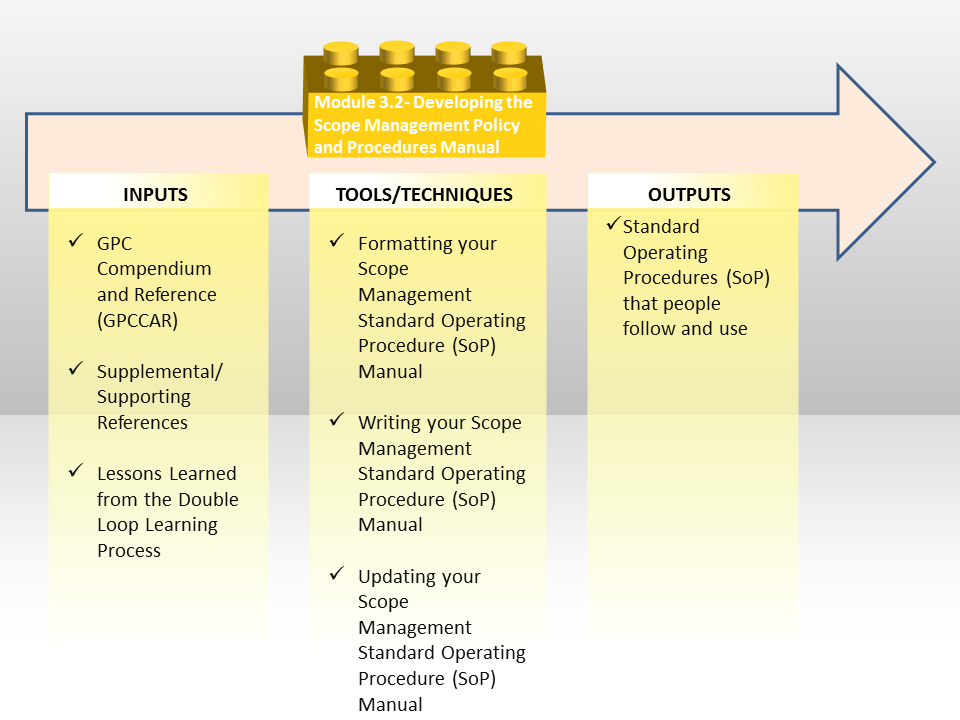
Figure 1 - Developing the Scope Management Policies & Procedures Process Map
Source: Guild of Project Controls
03.2.1 INTRODUCTION
This is the document which governs how scope is to be set up and managed.
Standard Operating Procedures are useful because:
- SOP's can help facilitate training
- SOP's can encourage continuous improvement in how things are done
- SOP's can reduce system variation and help ensure effective quality control
03.2.2 INPUTS
- GPC Compendium and Reference
- Supporting / supplemental references
- Lessons learned from the double loop learning process
03.2.3 TOOLS & TECHNIQUES
03.2.3.1 Formatting Your Standard Operating Procedure
A Standard Operating Procedure (SOP) is a document consisting of step-by-step information on how to execute a task or series of tasks. As minimum, the procedure should contain the following key elements:
- Title Page - This includes the title of the procedure, a unique document identification number, a date of issue and a revision number. The name of the company or division / department or Project the SOP applies to, and the signatures of those who prepared and approved of the SOP.
- Table of Contents - This is only necessary if your SOP is quite long, allowing for ease of reference. A simple standard outline is what you'd find here.
- The Step-by-Step Information on How to Execute a Task or Series of Tasks - This is to explain, prescribe and define what the practitioner is required to do; it is the body of the procedure.
- Quality Assurance / Quality Control - A procedure is not a good procedure if it cannot be checked. Have the necessary materials and details provided so the reader can make sure they've obtained the desired results. This may or may not include other documents, like performance evaluation samples.
- References - Be sure to list all cited or significant references. If you reference other SOPs, be sure to attach the necessary information in the appendix.
03.2.3.2 Writing your Standard Operating Procedure
To create the procedure, the following elements, as a minimum, need to be documented within the Specific How-To-Do-It section:
- Purpose – A brief narrative to explain why this procedure is necessary and what it will achieve for the user.
- Introduction - A brief outline of the subject and the need for the procedure.
- Responsibilities - Narrative to explain who is required to do what.
- The Step-by-Step Information on How to Execute a Task or Series of Tasks – The detailed description of what is to be carried out.
- Forms / Templates - Where forms, reports or templates are referenced in the above text, the samples should be included so that all documents or reports follow the same format and consistently include all necessary or prescribed data.
- Internal And External References - This section is used to list all controlled internal references (e.g. other procedures etc.) and external references referred to within the text of the procedure.
03.2.3.3 Maintaining and Updating your Standard Operating Procedure
To implement a process whereby the project team:
- Test The Procedure - Have someone with a limited knowledge of the process (or a person representative of the normal reader) use your SOP to guide them.
- Have The Procedure Reviewed By Those Who Actually Do The Procedure - At the end of the day, it doesn't really matter what your bosses think of the SOP. It's those who actually do the work that it matters to. Have the SOP reviewed by all stakeholders. Once the team gives you the go ahead, send it to your senior managers for final acceptance and endorsement.
- Once Approved Start Implementing Your Procedure - This may involve executing a formal training for the affect personnel (e.g. classroom training, computer-based training, etc.) or it may mean your paper is hung up in the bathroom.
- Make Certain That You Include A Way To Update And Improve The Procedure - This will require a feedback loop from the Double Loop Learning process.
03.2.4 OUTPUTS
- A Standard Operating Procedure That People Actually Follow And Works
03.2.5 REFERENCES & TEMPLATES
- Http://www.wikihow.com/write-a-standard-operating-procedure
- http://www.epa.gov/quality/qs-docs/g6-final.pdf
- http://www.tidyform.com/download/sop-template-1.html
- http://www.tidyform.com/download/sop-template-2.html
03.3 - Module 03-3 - Validating Stakeholder Expectations
03.4 - Module 03-4 - Creating the Work Breakdown Structure
03.5 - Module 03-5 - Creating the Control Accounts
03.6 - Module 03-6 - Accepting Completed Deliverables
GPCCAR Module M03-2, Revision 1.02