02.0 - MANAGING PEOPLE
02.1 - Module 02-1 - Introduction to Managing People
02.2 - Module 02-2 -Develop Project Controls Career Path Development Plan
02.3 - Module 02-3 - Develop Individual Competencies
02.4 - Module 02-4 - Develop Management Competencies
02.5 - MODULE 02-5 - DEVELOP ORGANISATIONAL COMPETENCIES
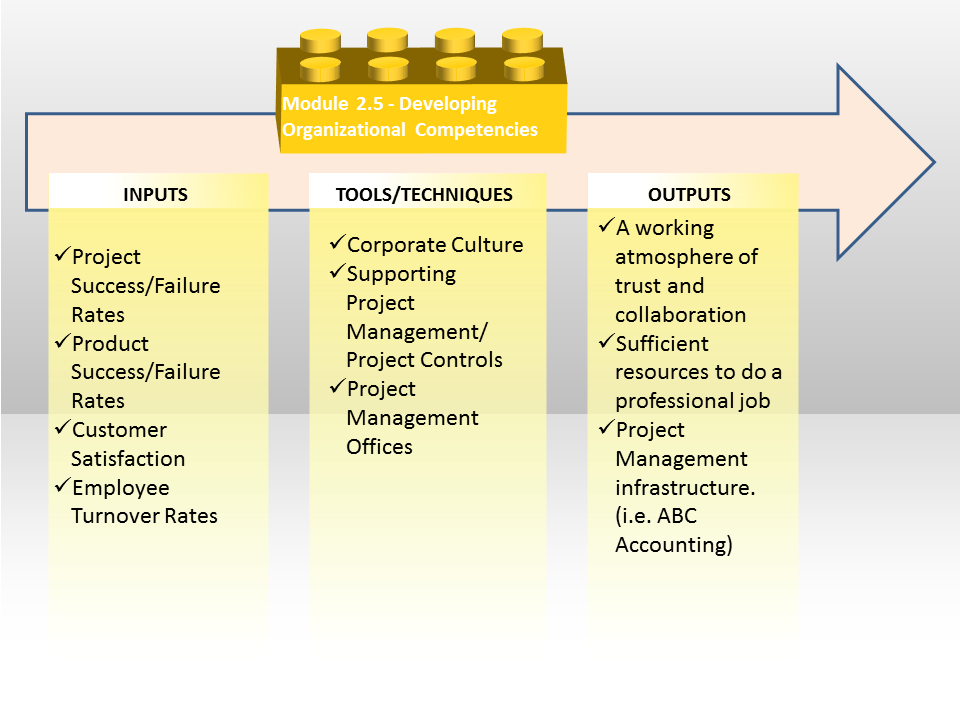
Figure 1 - Developing Organisational Competency Process Map
Source: Source: Guild of Project Controls
02.5.1 INTRODUCTION
In the previous module the Guild of Project Controls chose research from the Strascheg Institute for Innovation and Entrepreneurship as the basis for our assessment of both individual and organizational competencies, with the objective to increase project success, which we have defined to be “on time, within budget, in substantial conformance to the technical requirements (including safety, health, environment) while substantially fulfilling the objectives for which the project was undertaken to achieve (The Business case).
- The argument for using this definition is IF the time frame is reasonably achievable for the scope of work and IF the budget is appropriate, with risks having been identified and appropriate contingency and reserves have been set aside AND the project management team is competent, THEN there is no reason why this definition of “success” cannot be achieved.
However this requires not only competent program and project MANAGERS and project CONTROL PROFESIONALS, but competent project SPONSORS as well. For without realistic and supportive project sponsorship, program and project managers are almost surely to struggle to meet sponsors expectation.
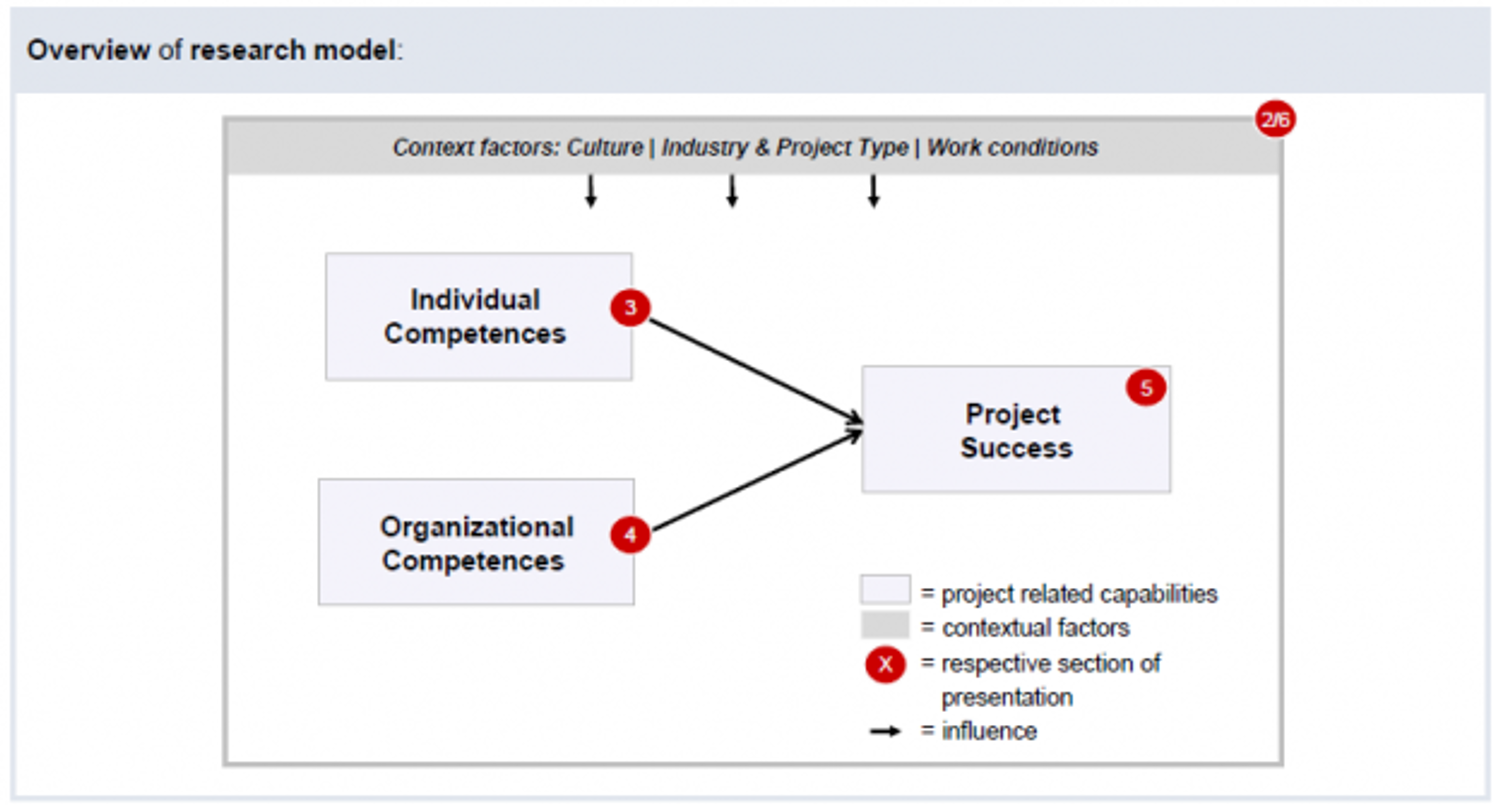
Figure 2 - Strascheg Institute Research on Project Success
Source: Global Project Management Survey: Cultural, Individual and Organizational Competence in Project Management (2010)
To conclude this introduction, a “Project Sponsor” while not clearly or consistently defined is a role of significant importance. For the purposes of the Guild GPC BoK, the term “project sponsor” will be any asset or operations manager whose budget is providing funding for the project, either through the CAPEX or OPEX budget allocation process. What this means is in their role as “project sponsor” these asset or operations managers are expected to:
- Budget allocation responsibility
- Supports project politically
- Is consulted on decisions by the project manager’
- Approves the project plan;
- Provides project objectives
- Makes major STRATEGIC decisions for the project and RATIFIES TACTICAL decisions made by the project manager or team
- Finds resources for the project
- Is responsible for the project’s scope;
- Issue management and Risk management
02.4.2 INPUTS
- Project Successs/Failure Rates
- Product Success/Failure Rates
- Customer Satisfaction
- Employee Turnover Rates • Tools/Techniques
02.5.3 TOOLS & TECHNIQUES
02.5.3.1 Organizational Culture
02.5.3.1.1. Understanding Organizational Culture
Every organisation has its own culture. Culture is ‘how we do things around here’ and can be related to the characteristics, identity and perspectives of people’s:
- Nationality;
- Gender;
- Education;
- Religion;
- Demographic (baby boomers, Gen X or Y);
- Profession (Engineers, Managers).
Culture reflected in:
- Shared values, norms and beliefs;
- View of authority relationships;
- Work ethic and work hours’
Culture directly influences the project in many ways including, attitudes to risk (entrepreneurial or conservative org) and management styles (collaborative or authoritarian). Different cultures expect different norms in many project related areas including:
- Context
- low: straight to the point - “Here are the facts!”
- high - preambles and structured - “How are you? How is your family?”
- Directness
- direct: blunt / open - “Lets be honest, what don’t you like?”;
- indirect - considerate - “This is interesting, let me get back to you”.
- Expression
- expressive: articulate / colourful ;
- factual / linear / logical.
- Formality
- formal: structured / measured / polite - “Good morning, may I offer..”;
- informal - friendly / intimate / casual - “Hi how are you”.
Attempting to communicate with someone who is used to using an indirect / formal style of communication in a direct / informal style will lead to you being seen as impolite and pushy and will be counterproductive. Similarly if a person’s style is indirect, do not expect an immediate answer. Whilst generalisations are always incomplete, some of the cultural factors that affect project controls and communication in general are:
- Overall environment: Asia = harmony and constraint, USA = control;
- Time: Europe is oriented towards the past, USA to the present, Asia to the past and the long term future;
- Action: Europe and Asia is relationship focussed, USA is focused on doing it.
- Communication: USA tends to informal, direct and high conflict. Asia to formal, generally indirect, high context and self controlled.
- Personal space: USA values private space. Other cultures are more public.
- Power: Asia expects power to be hierarchical.
- Individualism: Asia tends to be collectivist, Europe and USA value individualism.
- Competitiveness: Asia focuses at the team or company level.
Different peoples process their thoughts in different ways, influenced by the cultures they have grown up in and worked in. Understanding the way different team members and stakeholders are likely to think/react and respecting their differences is vital for effective team building, negotiation and conflict resolution.
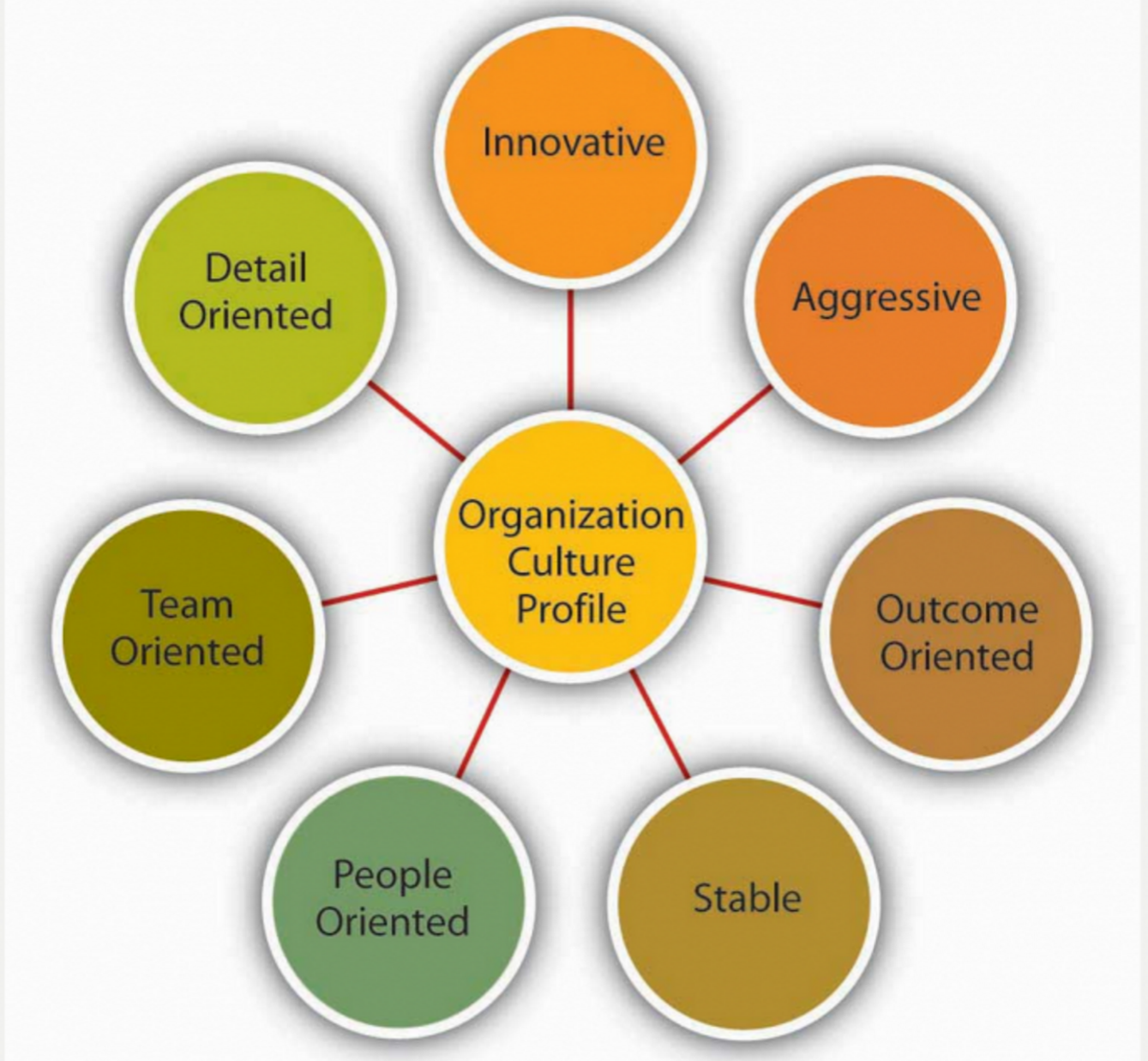
Figure 3 - 7 Attributes of Organizational Culture
Source: Flat World Knowledge (n.d.) Chapter 8 Principles of Management- Organizational Culture
02.5.3.1.2. Innovative Cultures
According to the OCP framework, companies that have innovative cultures are flexible, adaptable, and experiment with new ideas. These companies are characterized by a flat hierarchy and titles and other status distinctions tend to be downplayed. For example, W. L. Gore & Associates is a company with innovative products such as GORE-TEX® (the breathable fabric that is windproof and waterproof), Glade dental floss, and Elixir guitar strings, earning the company the distinction as the most innovative company in the United States by Fast Company magazine in 2004. W. L. Gore consistently manages to innovate and capture the majority of market share in a wide variety of industries, in large part because of its unique culture. In this company, employees do not have bosses in the traditional sense, and risk taking is encouraged by celebrating failures as well as successes.[348] Companies such as W. L. Gore, Genentech, and Google also encourage their employees to take risks by allowing engineers to devote 20% of their time to projects of their own choosing.
02.5.3.1.3. Aggressive Cultures
Companies with aggressive cultures value competitiveness and outperforming competitors; by emphasizing this, they often fall short in corporate social responsibility. For example, Microsoft is often identified as a company with an aggressive culture. The company has faced a number of antitrust lawsuits and disputes with competitors over the years. In aggressive companies, people may use language such as “we will kill our competition.” In the past, Microsoft executives made statements such as “we are going to cut off Netscape’s air supply…Everything they are selling, we are going to give away,” and its aggressive culture is cited as a reason for getting into new legal troubles before old ones are resolved.
02.5.3.1.4. Outcome-Oriented Cultures
The OCP framework describes outcome-oriented cultures as those that emphasize achievement, results, and action as important values. A good example of an outcome-oriented culture may be the electronics retailer Best Buy. Having a culture emphasizing sales performance, Best Buy tallies revenues and other relevant figures daily by department. Employees are trained and mentored to sell company products effectively, and they learn how much money their department made every day.[350] In 2005, the company implemented a Results Oriented Work Environment (ROWE) program that allows employees to work anywhere and anytime; they are evaluated based on results and fulfillment of clearly outlined objectives. Outcome-oriented cultures hold employees as well as managers accountable for success and use systems that reward employee and group output. In these companies, it is more common to see rewards tied to performance indicators as opposed to seniority or loyalty. Research indicates that organizations that have a performance-oriented culture tend to outperform companies that are lacking such a culture. At the same time, when performance pressures lead to a culture where unethical behaviors become the norm, individuals see their peers as rivals, and short-term results are rewarded, the resulting unhealthy work environment serves as a liability.
02.5.3.1.5. Stable Cultures
Stable cultures are predictable, rule-oriented, and bureaucratic. When the environment is stable and certain, these cultures may help the organization to be effective by providing stable and constant levels of output.[354] These cultures prevent quick action and, as a result, may be a misfit to a changing and dynamic environment. Public sector institutions may be viewed as stable cultures. In the private sector, Kraft Foods is an example of a company with centralized decision making and rule orientation that suffered as a result of the culture-environment mismatch. Its bureaucratic culture is blamed for killing good ideas in early stages and preventing the company from innovating. When the company started a change program to increase the agility of its culture, one of its first actions was to fight bureaucracy with more bureaucracy: The new position of vice president of “business process simplification” was created but was later eliminated.
02.5.3.1.6. People-Oriented Cultures
People-oriented cultures value fairness, supportiveness, and respecting individual rights. In these organizations, there is a greater emphasis on and expectation of treating people with respect and dignity.[357] One study of new employees in accounting companies found that employees, on average, stayed 14 months longer in companies with people-oriented cultures.[358] Starbucks is an example of a people-oriented culture. The company pays employees above minimum wage, offers health care and tuition reimbursement benefits to its part-time as well as full-time employees, and has creative perks such as weekly free coffee for all associates. As a result of these policies, the company benefits from a turnover rate lower than the industry average.
02.5.3.1.7. Team-Oriented Cultures
Companies with a team-oriented cultures are collaborative and emphasize cooperation among employees. For example, Southwest Airlines facilitates a team-oriented culture by cross-training its employees so that they are capable of helping one another when needed. The company also emphasizes training intact work teams. In Southwest’s selection process, applicants who are not viewed as team players are not hired as employees. In team-oriented organizations, members tend to have more positive relationships with their coworkers and particularly with their managers.
02.5.3.1.8. Detail-Oriented Cultures
Organizations with a detail-oriented cultures are characterized in the OCP framework as emphasizing precision and paying attention to details. Such a culture gives a competitive advantage to companies in the hospitality industry by helping them differentiate themselves from others. For example, Four Seasons and Ritz Carlton are among hotels who keep records of all customer requests such as which newspaper the guest prefers or what type of pillow the customer uses. This information is put into a computer system and used to provide better service to returning customers. Any requests hotel employees receive, as well as overhear, might be entered into the database to serve customers better.
02.5.3.2 Creating and Marinating a Corporate Culture
Corporate culture expained:
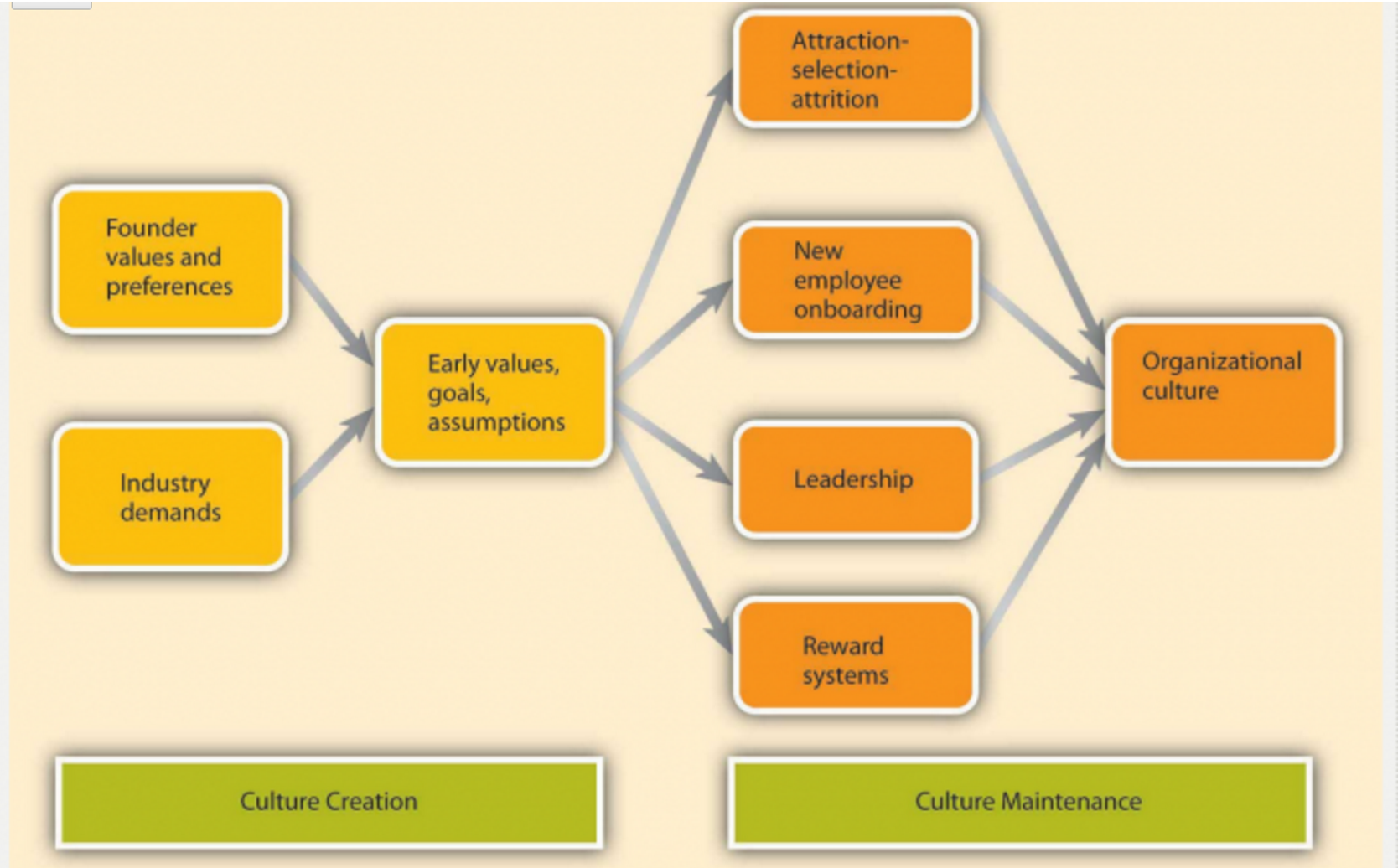
Figure 4 - Creating and Maintaining a Corporate Culture
Source: Flat World Knowledge (n.d.) Chapter 8 Principles of Management- Organizational Culture
02.5.3.2.1. Corporate Culture for Project Controls
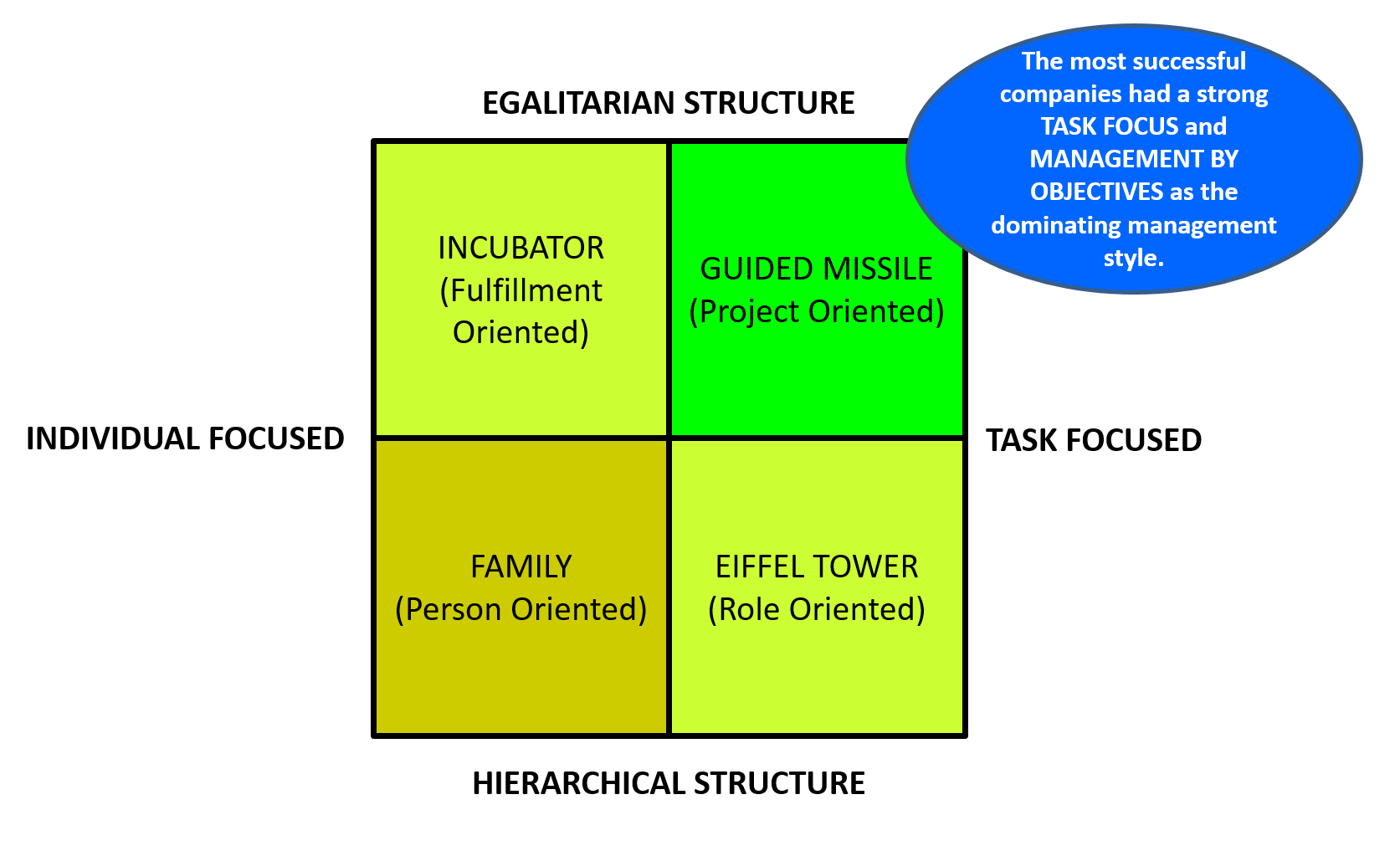
Figure 5 - Corporate Culture Suited to Support “Success”
Source: Giammalvo, Paul D (2015) Course Materials. Contributed Under Creative Commons License BY v 4.0
Based on the research done by the Strascheg Institute for Innovation and Entrepreneurship, the corporate culture most likely to be supportive of project control and project management offices is one which is Egalitarian in structure (Team Oriented) and Task Oriented (Outcome Oriented) with some tolerance for Innovation and Attention to Details.
What this means is the “command and control” models found in McGregor’s Theory X are inappropriate to a successful project/project controls team and the family oriented cultures are more consistent with Ouchi’s Theory Y, (the Japanese model) which also hasn’t proven to work in today’s highly competive, global market. Which leaves us with McGregor’s Theory Y as being the most plausible management style. This runs counter to some of Deming’s teachings but is consistent with most of what Peter Drucker and Henry Mintzberg have advocated. Which is why their teachings have influenced the creation of the GPC BoK. Because the GPC BoK is a living document as new research or philosophies are published, the Guild has created a means to provide updates to this document, which will in turn, revise the certification exams as well as the competency assessment process.
02.5.3.3 Project Management Offices
Project management offices employ people with project controls skills as well as using project controls information developed by project controllers working within each project management team. The role of a PMOs should be focused on assisting both the project manager and the relevant organisation with the application of professional project management practices and the adaptation and integration of business interests into the management and delivery of projects and programs. This can be defined within a continuum of maturity from ‘project reporting office’ to ‘centre of excellence’, and may involve:
- Passive or active reporting.
- Operating the project management system used by the organisation.
- Training support and career management.
- Project coordination.
- Managing the organisation’s project and program managers and other experts.
- Strategic project management and portfolio support.
02.5.3.3.1. Project Control/Project Management Office Disciplines
While the GAO has provided research on what is required for cost assessment, there is a compelling argument that these same sets of skills apply to planners and schedulers and forensic analysis as well.
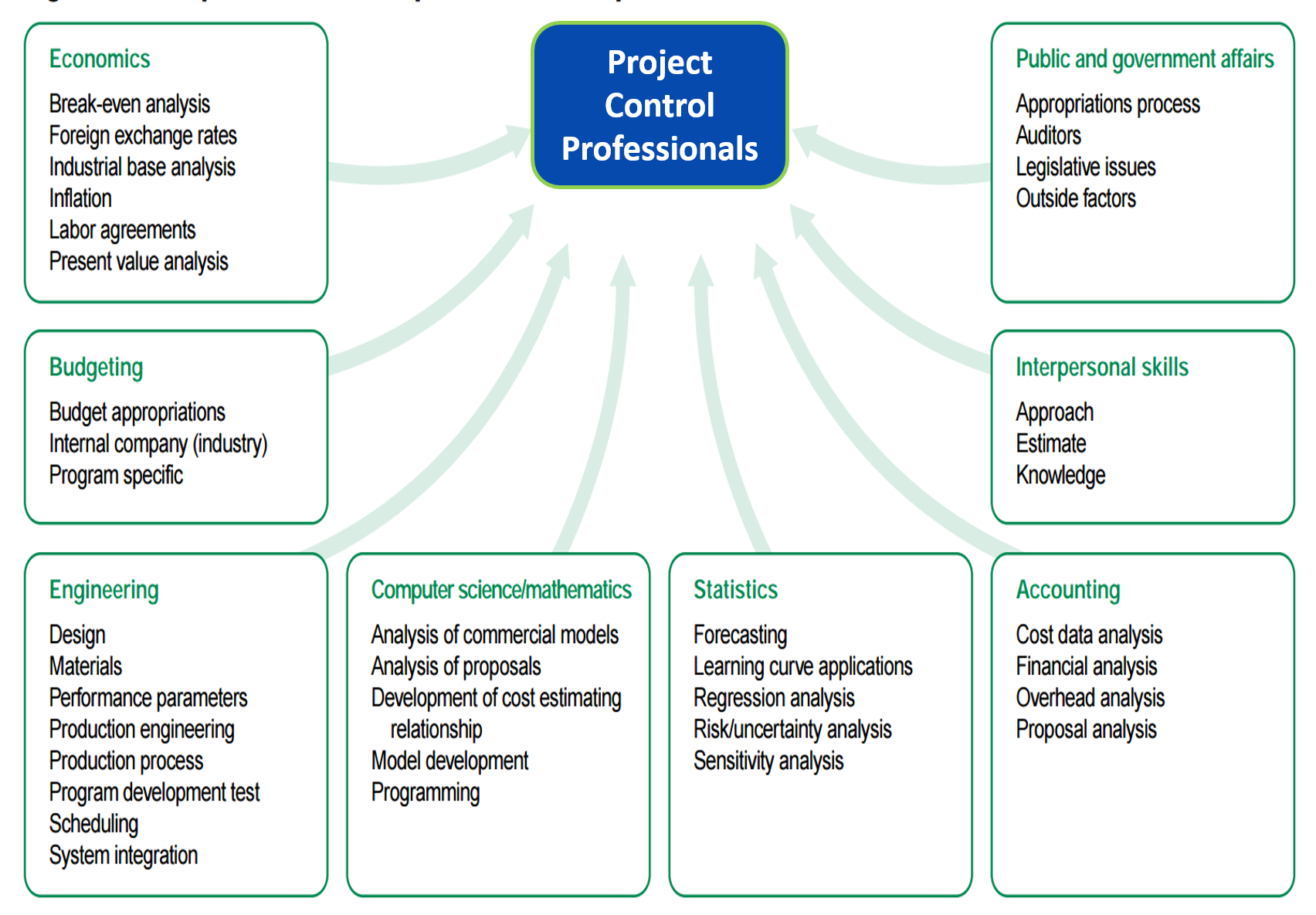
Figure 6 - Disciplines Project Control Management Professionals Need to Master
Source: GAO Cost Estimating and Assessment Guide Best Practices for Developing and Managing Capital Program Costs (2009)
02.5.3.3.2. Creating the Optimized Organization Structures (PMO)
The first challenge that functional managers face is determining what organizational structure to use in creating their project controls or project management office. Recognizing that “form follows function” the first step in that process is to determine what roles and responsibilities do asset, operations and program managers want to assign to the project controls/project management office.
Unfortunately, as with so many other aspects of project management, there is precious little agreement on exactly what a project control office is or even what it does. The graphic below was taken from research done at Cranfield University and represents what the Guild of Project Controls believes to be the most comprehensive explanation at least at the this date. In the Cranfield model, they identified two drivers- Demand which is focused on what the market needs or wants (the PRODUCT of the project) vs the Supply side, which focuses more on just the project itself.
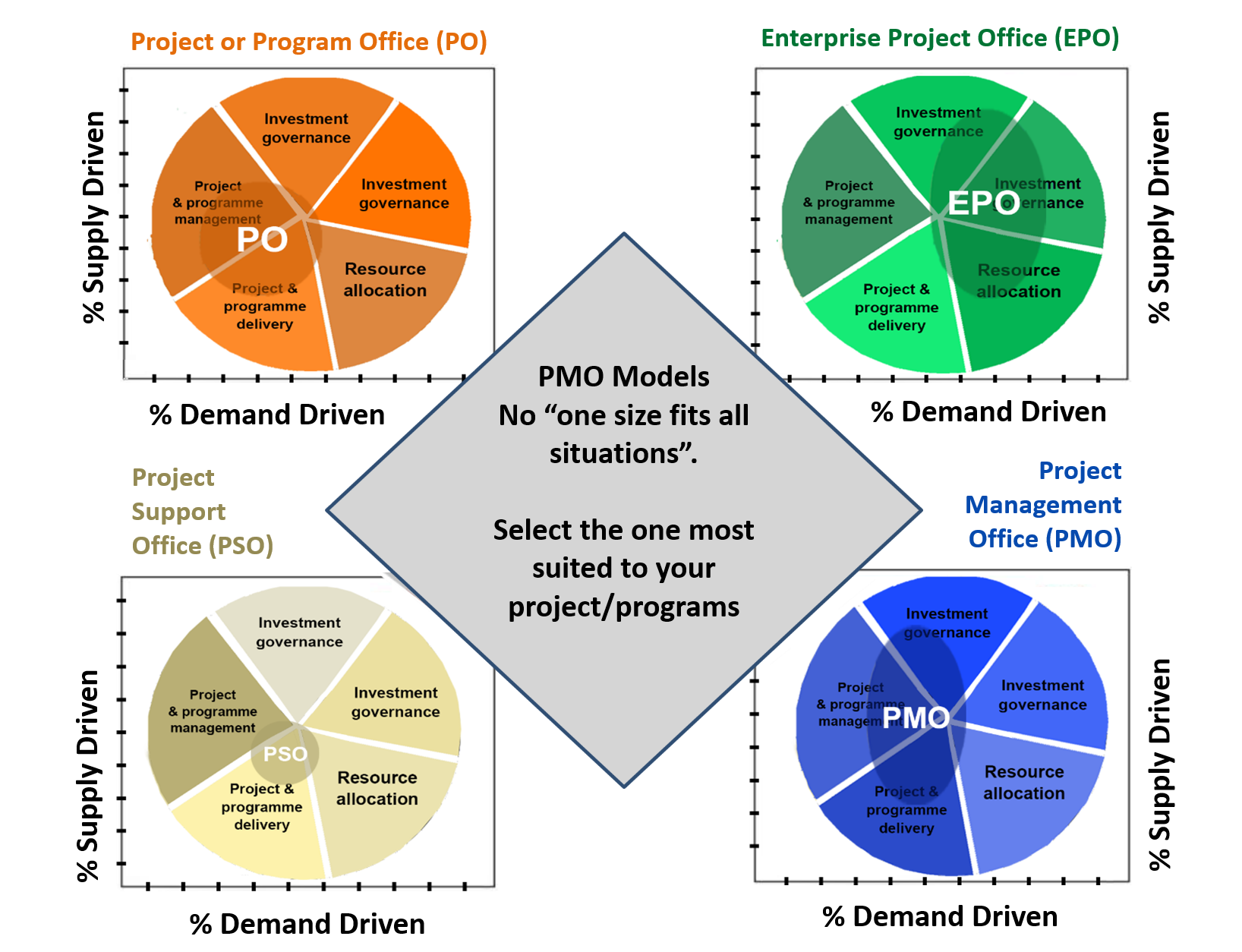
Figure 7 - Four generic models of Project Control or Project Management Offices PMO’s
Source: Cranfield University (n.d.) PMO- Project Management Offices
To complicate the matter, there is little or no agreement on what the definition of a PROGRAM is. The Guild of Project Controls conducted a 2 year long validation survey based on the work of Sergio Pellegrinelli, also from Cranfield and this graphic summarizes how different organizations perceive or label “program”.
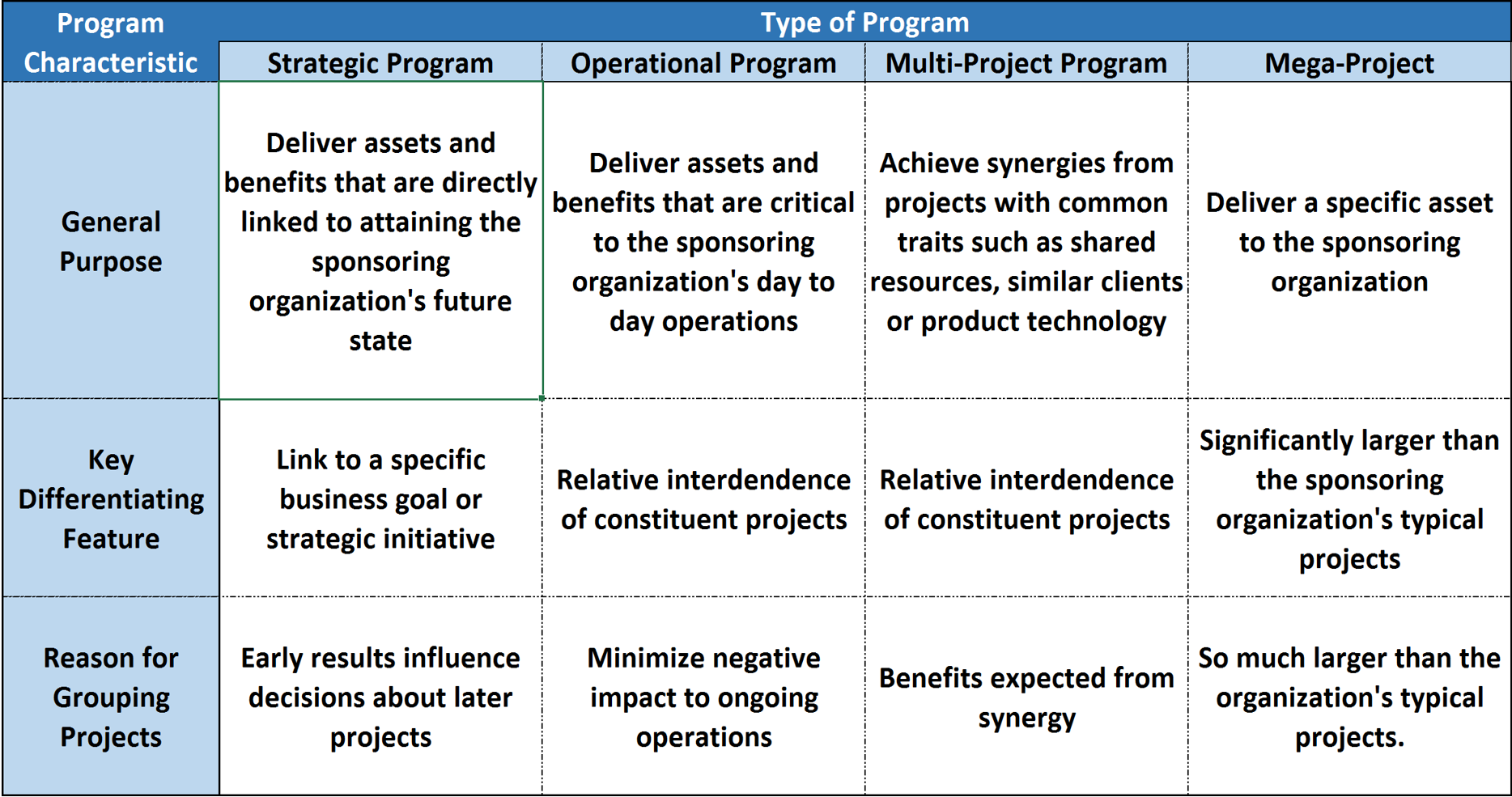
Figure 8 - GAPPS Research on Program Typology
Source: GAPPS Research on Program Typology (n.d.)
To read more on this research and findings, here is the link. Another model based on research comes to us from Adi Chinni
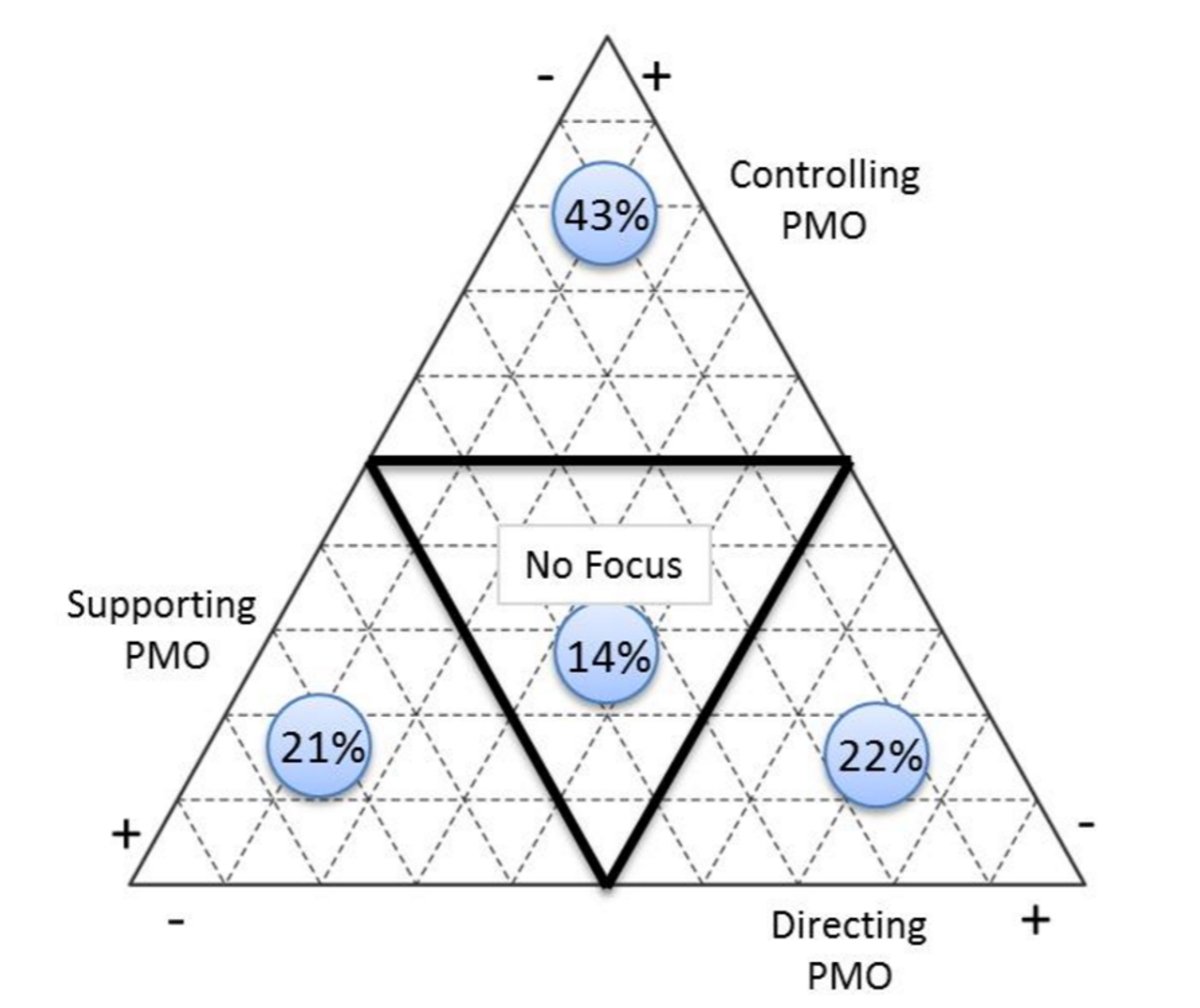
Figure 9 - Adi Chinni’s research on the different types of project control or project management offices
Source: Chinni, Aid (2014) Roles and Types of Project Management Offices
Chinni provides the following definitions:
- Supporting PMO: These types of PMOs will have less controlling necessity. They provide templates, best practices, training and manage PMIS the project management information system. The name suggests that they are formed to offer support to project managers.
- Controlling PMO: By design these PMOs provide a moderate level of controlling functions. The big theme of these types of PMOs is governance and conformance. They provide frameworks or adapt to the more generic PMI’s IPEMCC model.
- Directive PMO: These types of PMOs are top level controlling PMOs. That means they directly manage the projects. Many times they include strong governance frameworks. A great care and attention should be provided for not making this type PMOs as workhorses or projects execution factories.
Regardless of what names they are given, the functions which all PMO’s seem to offer to a greater or lesser degree are:
- I dentification and adoption of “best tested and proven” practices, either internally or externally.
- Developing, measuring and reporting program, portfolio and project performance against the appropriate baseline;
- Capturing knowledge (lessons learned) and sharing that knowledge with functional (asset)l, program and operations as well as project manager’s
- Benchmarking program, portfolio and project management against “best in class” key performance indicators.
- Facilitating the identification, quantification and management of risk;
- Providing supporting professional services (i.e. cost estimating, scheduling, claims and business case analysis) to project teams while not hindering or obstructing performance or the business;
- Developing and executing effective communication strategies, particularly using dashboard and mobile technologies;
- Supporting project and program teams by directing their focus on the business case and organizational strategic objectives and not just the program or project metrics. (i.e. on time, within budget, in substantial conformance to the requirements, including safety, health and the environment)
02.5.3.4 Supporting the Project Management Team
Where a PMO exists, the PMO staff are important stakeholders for the overall project and especially for the project controllers (see stakeholder management below).
Project controls is a function, not a job description. Various people will perform elements of the project controls function, either as full time experts in a specific discipline such as planning and scheduling, or as part of a more broad brush role such as a contract administrator. The term ‘project controller’ is used throughout this section to describe all of the different job descriptions that include an element of ‘project controlling'.
Project Controllers are the experts who gather, manage and analyse data to generate useful information and insights for others to use. The primary source of the data, and users of the ‘controls information’, are the project management team and the project governance and oversight entities within the organisation such as PMOs and ‘project control boards’ (PCBs).
It is important to separate the controlling part of management (the actual administration and direction of the workforce) from the ‘project controls’ function of observation, measurement, and analysis; and based on its findings, providing advice to management.
The functions undertaken by project controls professionals include estimating future works, determining the current status of work in progress, understanding the reasons for this status and recommending appropriate actions or alternatives based on the observed status and trends. Within this framework, for a recommendation or prediction to be useful, the reliability of the information upon which it is based needs to be understood, and additionally, any realistic estimate or forecast must take into account uncertainty and the cost and time consequences of identified risk events
The key skills of an effective project controller are framed in the person’s ability to listen carefully, observe what is happening, analyse the information and communicate the results in a way that the information can be understood and acted upon. These are primarily soft skills. The most insightful analysis is useless if information is not believed, understood and used.
02.5.3.4.1. Information Gathering
Information gathering is a core skill required by all project controls professionals. Information has to be gathered at all stages of a project’s lifecycle:
- To form the basis of every estimate.
- To develop a complete and realistic plan.
- To understand the actual progress to date.
- To understand the consequences of change.
- To determine the root cause of issues and disputes.
- To inform decision making and problem solving.
Information is obtained through the study of documentation, through observation of the actual works and through asking questions and active listening. Documentation is a key source of information, a project controller should:
- Know the sources of available information and their reliability.
- Understand how to access the information (including controlled documentation).
- Be able to interpret the information contained in documentation.
- Be able to extract the pertinent information.
- Maintain records of the source of any important information.
- Format the information ready for processing.
Documentation includes all forms of readable information, drawings, reports, books, tables, databases, etc.; in both hard copy and electronic formats. The way information is held within the documents varies significantly by industry and organisation. Therefore, the capabilities described above are highly contextual, the requirement is for the project controller to be competent in his, or her work context.
Observation is an equally important source of information, a project controller should:
- Be able to observe the current status of any work in progress.
- Be able to observe the attitudes and moral of the people engaged in the work.
- Be able to understand what he or she is ‘seeing’.
- Be able to recognise anomalies and unusual circumstances /situations
- Be able to identify problems and issues at an early stage.
- Be able to document their observations ready for further processing.
These observational capabilities are highly contextual and are developed through experience, the requirement is for the project controller to be competent in his, or her work context.
Effective questioning focuses on gathering accurate information through asking ‘good questions’; this is a learned skill. Far too many people focus on having the ‘right answer’ rather than discovering the ‘right question’. Questions are often used in a structured question funnel. The funnel starts very wide, with open questions to consider a broad range of possibilities, then it uses probing and hypothetical questions to fill in missing information, increase understanding and suggest additional ways of thinking about the situation. Finally the question funnel focuses things down by using reflective questions to ensure that all the main issues have been considered, and ending with closing questions to produce an agreed way forward. Some of the skills of effective questioning include:
- Asking open ended questions.
- Don’t be afraid to wait for the complete answer!
- Use active listening (see below).
- Avoid leading questions and ‘why’ questions.
- Pre-plan the questions you are likely to need
Active listening is the most important capability for any project controller to acquire. Being able to fully hear what was meant requires far more then just being part of a conversation; you need to listen attentively to fully understand the other person. Remember, there is no point in asking a question if you do not intend to listen carefully to the answer!
Listening fully - or actively means putting everything else out of your mind and acknowledging the other person so they have feedback that you are listening properly and valuing what they have to say (this is not the same as agreeing with them). Some of the key skills for active listening include:
- Listen with your whole body, face the person and don’t fidget.
- Let the other person do the talking, avoid interrupting.
- Notice non-verbal communication; listen for feelings and emotions.
- Be comfortable with silence.
- Use questions effectively (see above).
- Reflect back the information you receive to show understanding.
02.5.3.4.2. Information Processing
Both the information gathering discussed above, and the information distribution discussed below, inevitably involve interactions with other people; these interactions require managing! Successful project controllers have the people skills needed to firstly gather valuable data, and then distribute the information generated as a result of analysing and processing the data. The actual processing of information is largely technical in nature and is discussed elsewhere in this guide.
02.5.3.4.3. Information Distribution
The various options for information distribution are discussed in the Project controls and communication section below. Project communications are the responsibility of the project management team, supported by information developed by project controllers. It is therefore important for project controllers to understand the needs and requirements of both the project management team and the wider stakeholder community so that the information they develop is useful and usable.
02.5.3.4.4. Organizational Constraints
All interactions with project team members, managers and external stakeholders occur within a cultural framework and have the potential to affect the organisation and are constrained by organisational policies and procedures, and often by legislation and regulation. Project controllers need to be aware of these constraints and operate within them.
02.5.3.4.5. Workplace Laws and Regulations
The regulatory environment also affects the way work can be planned and undertaken. Many projects are affected by more then one legal framework, particularly if the work is being undertaken by a virtual team or the project work is being undertaken in one country, but the controlling organisation is based in another. Some (but not all) of the regulations that may affect the way the work is planned and undertaken include:
- Occupational health and safety legislation.
- Employment legislation.
- Discrimination and equal opportunity legislation.
- Environmental legislation.
- Human rights legislation.
The project controller needs to be familiar with the legislative framework that affects the works and ensure it is planned in a way that conforms to the requirements. For example, if OH&S legislation requires an approved safe work procedure to be in place before undertaking certain works, the schedule and the cost plan need to allow for the preparation and approval of the document as a precedent to undertaking the work.
02.5.3.4.6. Recognizing, Rewarding and Compensating Project Control Professionals
As we can see from the research of Fayol and Johnson in particular and implied by Deming that compensation should be directly related to successful outcomes and that the project manager and project team not only must have authority commensurate with their responsibility but must not be held accountable for that over which they have no reasonable control.
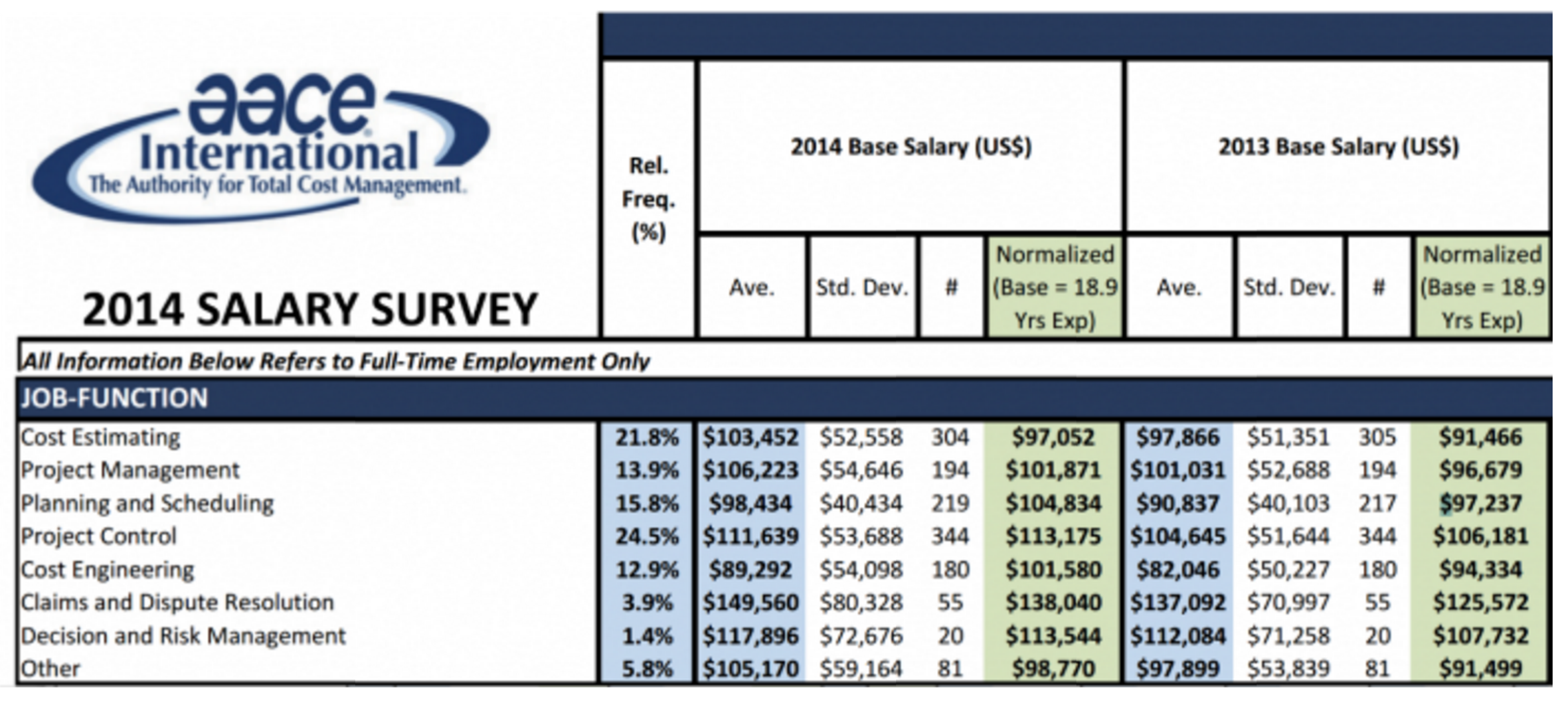
Figure 10 - AACE Salary Survey Comparing 2013 and 2014
Source: AACE Annual Salary Survey 2015
Base Salaries For benchmarking purposes, a partial excerpt has been taken from the AACE Annual Salary Survey. To adjust these values to match local conditions, it is suggested that using Purchasing Power Parity indices (i.e. the Economist’s “Big Mac Index”) as the basis to convert these numbers to equivalent local currencies.
02.5.3.4.7. Measuring and Assessing ORGANIZATIONAL Competencies
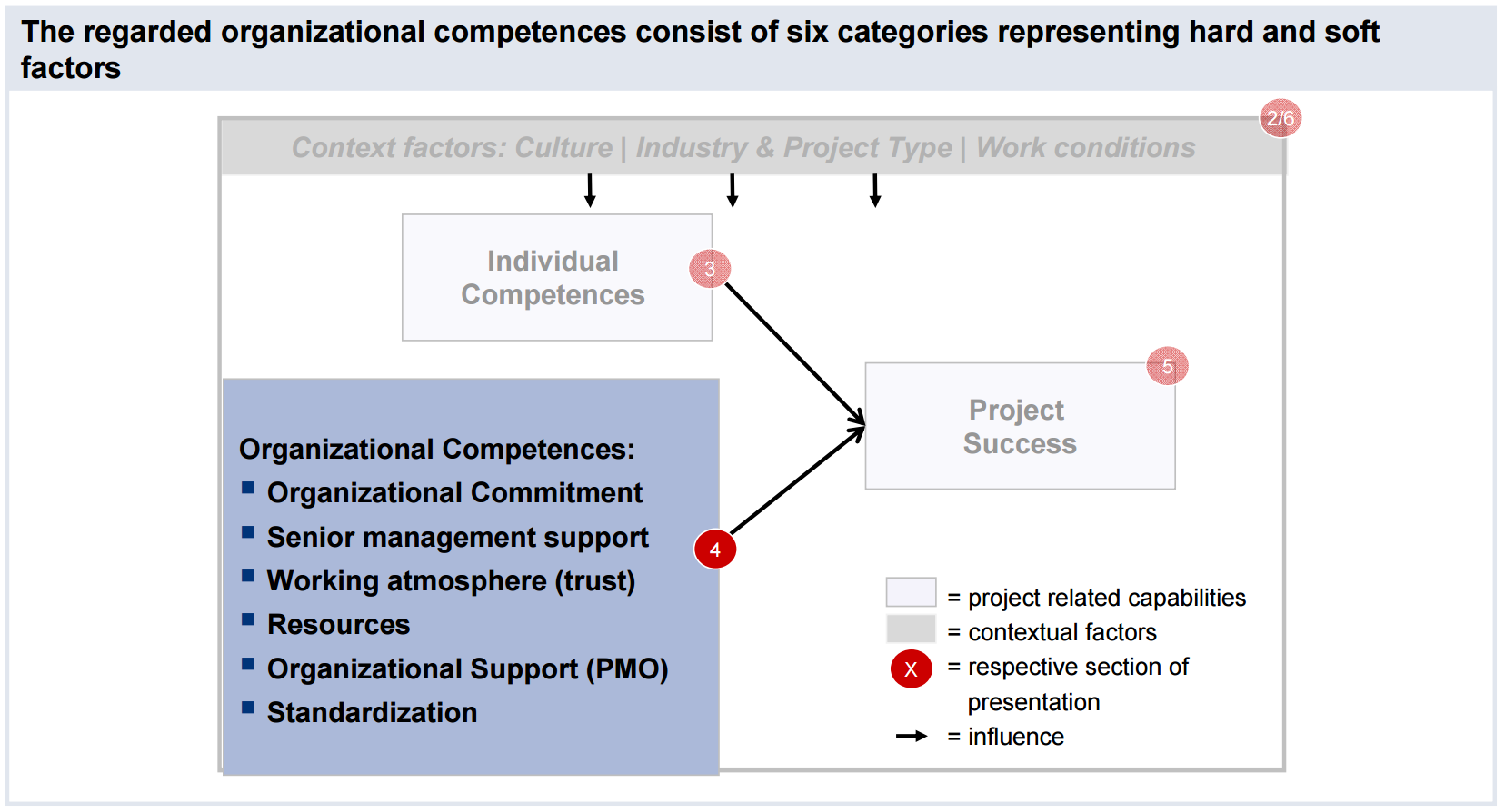
Figure 11 - Strascheg Institute findings on organizational competencies
Source: Global Project Management Survey: Cultural, Individual and Organizational Competence in Project Management (2010)
Capability Maturity Models (CMM)
The Capability Maturity Model (CMM) is a methodology used to develop and refine an organization's project management processes. Most models describe a five-level evolutionary path of increasingly organized and systematically more mature processes. The original CMM was developed by Carnegie Mellon University and is promoted by the Software Engineering Institute (SEI), a research and development center sponsored by the U.S. Department of Defense (DoD). SEI was founded in 1984 to address software engineering issues and, in a broad sense, to advance software engineering methodologies. This same model has been adapted for use by many project management organizations, including PMI with their OPM3 or the Green Project Management Organization with their PSM3 model.
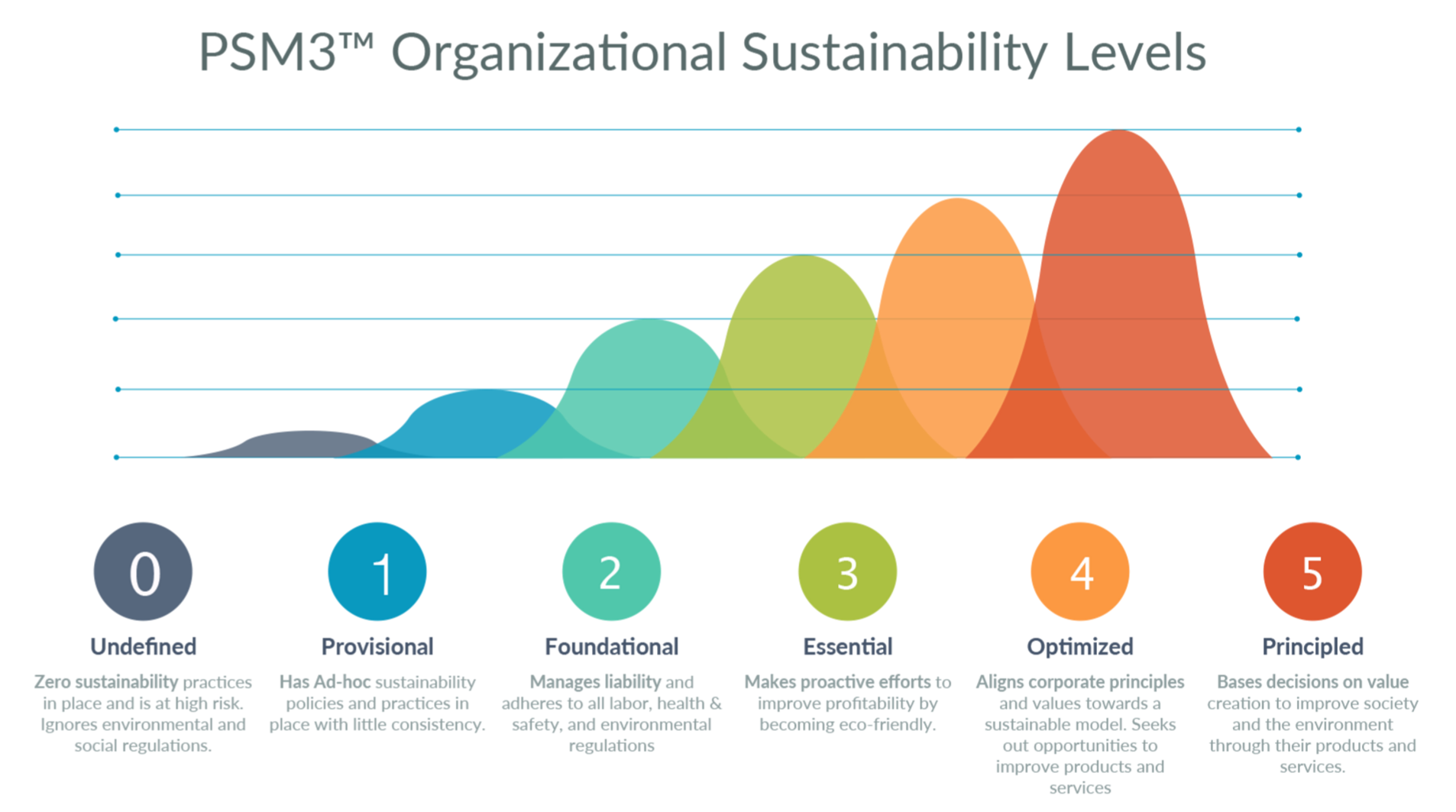
Figure 12 – Green Project Management Capability Maturity Model
Source: Green Project Management Capability Maturity Model (2016)
While there are many models available against which to measure and assess the relative capability and maturity of an organization Vis a Vis project management, none have yet been developed specifically for project controls although it is possible to adapt these models to the GPCCAR for use as a benchmarking tool to test, assess and validate an organizations internal processes.
Summary
Here we see many of the themes that are common throughout this GPC BoK-
- Organizational Commitment- many operational centric organizations are struggling to incorporate project management as a delivery method; Senior management does not support project managers and project teams as a career path objective, thus the rise of the “accidental” project manager, and likewise;
- Senior management does not trust project managers and project teams, largely because of our track record in not providing timely or accurate information to them;
- Management often does not assign the best and brightest resources from functional departments to work on projects nor are project managers empowered to select their own teams. Matrix Management
As noted above, project management offices (PMO) are necessary but they are often understaffed and/or staffed with marginally qualitied/trained people. Lastly, there is little or no standardization even within the same organization much less across entire sectors, which is why the use of Building Information Modeling (BIM) and organizations such as OmniClass are developing standardized WBS and CBS structures. This GPC BoK is also intended to help standardize the project control processes and procedures, which is why the GPC chose the “building block” model.
02.5.4 OUTPUTS
- A Working Atmosphere Of Trust And Collaboration
- Sufficient Resources To Do A Professional Job
- Project Management/Project Controls Supporting Infrastructure. (I.E. Abc Accounting Capability)
02.5.5 REFERENCES & TEMPLATES
- https://www.brighthub.com/office/human-resources/articles/111762.aspx
- Http://Www.Buzzle.Com/Articles/Primary-Characteristics-Of-Organizational-Culture.Html
- Https://New.Edu/Resources/Organizational-Culture--5
- White Paper: Project Controls – A Definition: https://mosaicprojects.com.au/WhitePapers/WP1093_Project_Controls.pdf
- White Paper: PMOs: https://mosaicprojects.com.au/WhitePapers/WP1034_PMOs.pdf
- White Paper: Active Listening & Effective Questioning: https://mosaicprojects.com.au/WhitePapers/WP1012_Active_Listening.pdf
- Book: Hofstede, G, Cultures And Organizations: Software Of The Mind, Mcgraw-Hill, Ny 1997
02.6 - Module 02-6 - Identifying And Engaging Stakeholders
GPCCAR Module M02-5, Revision 1.02