03.0 - MANAGING SCOPE
03.1 - Module 03-1 - Introduction to Scope Management
03.2 - Module 03-2 - Developing the Scope Management Policies & Procedures Manual
03.3 - Module 03-3 - Validating Stakeholder Expectations
03.4 - Module 03-4 - Creating the Work Breakdown Structure
03.5 - MODULE 03-5 - CREATING THE CONTROL ACCOUNTS
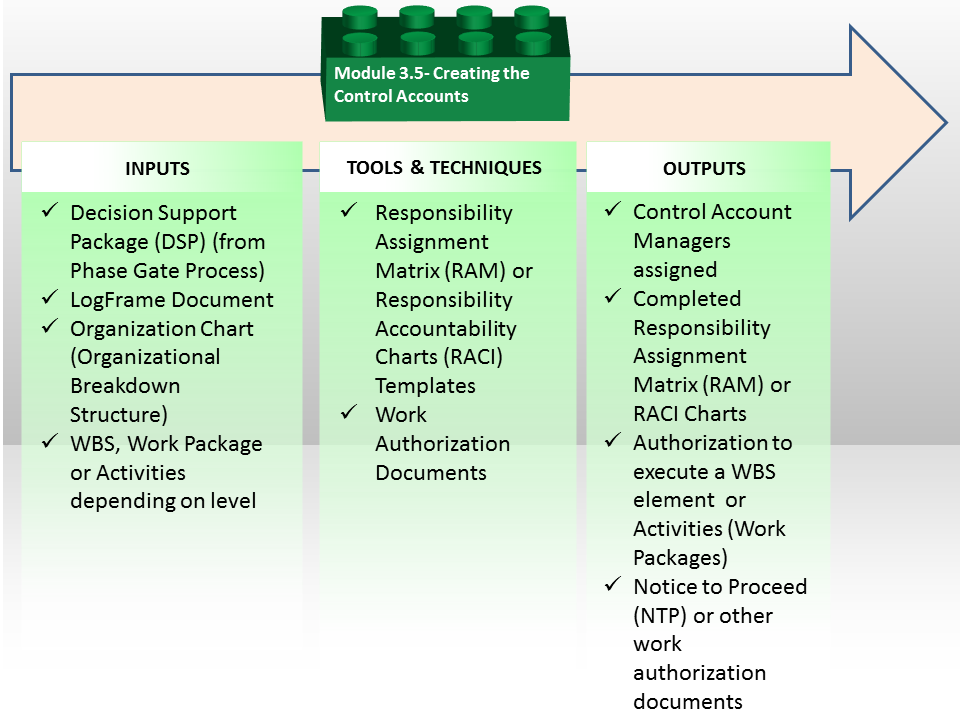
Figure 1 - Creating the Control Accounts Process Map
Source: Guild of Project Controls
03.5.1 INTRODUCTION
Once the WBS has been established, the next step is to assign someone to either do the work or is responsible to monitor and report on the work.
Typically, someone is assigned to either perform a specific task identified in the WBS (“insourced”) or to be responsible to monitor and report on any work done by contractors or vendors (“outsourced”).
- To ensure that someone is accountable for every WBS element, it is generally accepted to determine levels of accountability, or “control accounts”, at the points of intersection between the organizational breakdown structure and the work breakdown structure.
The Control Account becomes the management focus of reporting and Earned Value Management System and the focal point for performance measurement (refer Module 9 - Managing Progress).
Very important to remember, that in order to have accountability, only one person can be assigned to be responsible for any given Control Account, regardless of the level. While a single person can have responsibility for more than one Work Package, each Work Package must only have a single point of contact. Ideally, there is one Single Point of Contact (SPOC) from the Owner’s organization and a single point of contact (SPOC) from the Contractor or Vendors side.
The reason we should have a SPOC from both the Owner and the Contractor is because only when a Planning Package has been authorized for work to commence and has been assigned to a contractor does it become a Work Package. Explained another way, the OWNERS SPOC is responsible for PLANNING Packages and once handed over to a Contractor or Vendor for execution, the Planning Package becomes a WORK Package.
A PLANNING Package is defined to be a WORK Package what has not yet been assigned to anyone to perform.
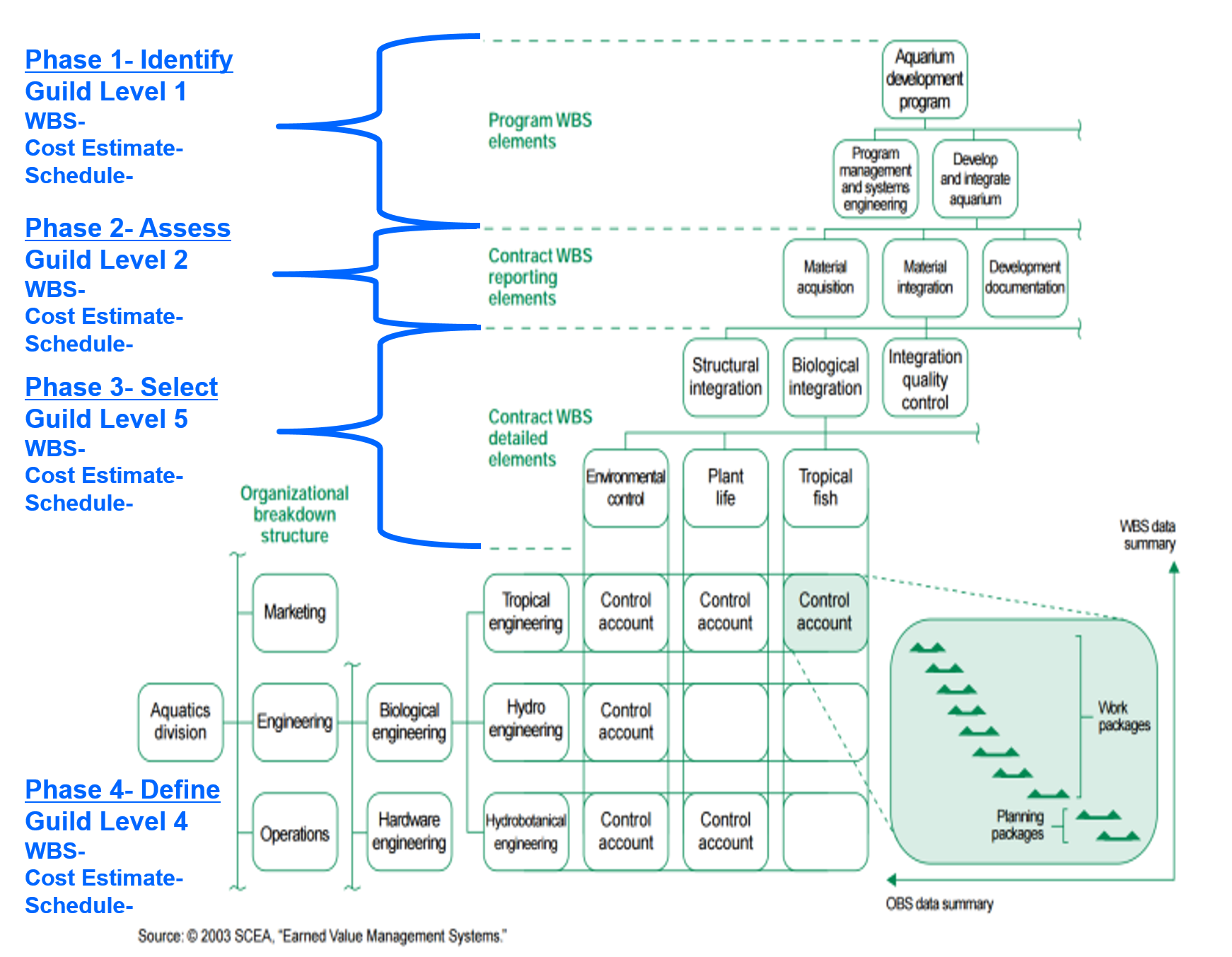
Figure 2 - Illustration of difference between Control Accounts, Planning Packages & Work Packages
Source: Adapted from GAO Cost Estimating and Assessment Guide Best Practices for Developing and Managing Capital Program Costs (2009)
As we can see from the graphic above and mapping it against the Guild of Project Control Phased Development approach, we can see that the control accounts become most relevant at the point when we start to execute the work. Explained another way:
- Levels 1-3 (or preferably 1-4) the focus remains mostly on WHAT needs to be produced or created by the project, while
- Levels 4 (or preferably 5) the focus changes to HOW and WHEN we are going to do it which is what the CPM Schedule is telling us
In the illustration above:
- A PLANNING PACKAGE is a group of activities which HAS NOT YET BEEN ASSIGNED TO A CONTRACTOR or HAS NOT YET BEEN APPROVED TO BE EXECUTED, while...
- A WORK PACKAGE is a series or group of activities which has either been outsourced to a contractor OR has been approved to commence work on.
At this point, it would be worthwhile to go back to Figure 2 above showing the evolution of the WBS to gain a full understanding of the difference between Planning Packages and Work Packages.
03.5.2 INPUTS
- Decision Support Package (Dsp) (From Phase Gate Process)
- Logframe Document
- Organization Chart (Organizational Breakdown Structure)
- WBS or Activities Depending on Level
03.5.3 TOOLS & TECHNIQUES
03.5.3.1 Responsibility Assignment Matrix (RAM) or Responsibility Accountability Charts (RACI) Templates
Below is an example of Responsibility Assignment Matrix. Worth noting is that the term “Control Account” is normally found in government funded projects, specifically those involved in defence or energy sectors, the concept is commonly found in all project management applications. Thus the terms “Responsibility Assignment Matrix” (RAM), Responsibility Accountability Charts (RACI) and “Control Accounts” serve substantially the same purpose- which is to provide clear and unmistakeable ACCOUNTABILITY along with the formal authority to act. This is consistent with the fundamental management tenet that you cannot hold someone responsible (accountable) for that over which they have no reasonable control over AND the authority to act or otherwise make decisions appropriate to their responsibility.
Explained simply: ACCOUNTABILITY = CONTROL + RESPONSIBILITY + AUTHORITY
As simple example would be while you cannot hold me accountable for damage caused by a wind storm because I have no control over the weather, what you CAN hold me accountable for is to implement appropriate actions to protect the work (i.e. construct wind bracing on the masonry walls) but ONLY if you have given me authority to allocate materials and manpower resources to construct the wind bracing.
- GENERALLY SPEAKING, IT IS NOT THE PROJECT CONTROL PRACTITIONER WHO IS RESPONSIBLE TO FILL THIS IN
This document is normally and customarily developed by the project manager / project team and provided to the project controller. However, if you are either a planner / scheduler or cost controller and you are not provided with one of these, then you ideally need to be proactive by providing an appropriate template and facilitating the project manager and other relevant stakeholders to participate.
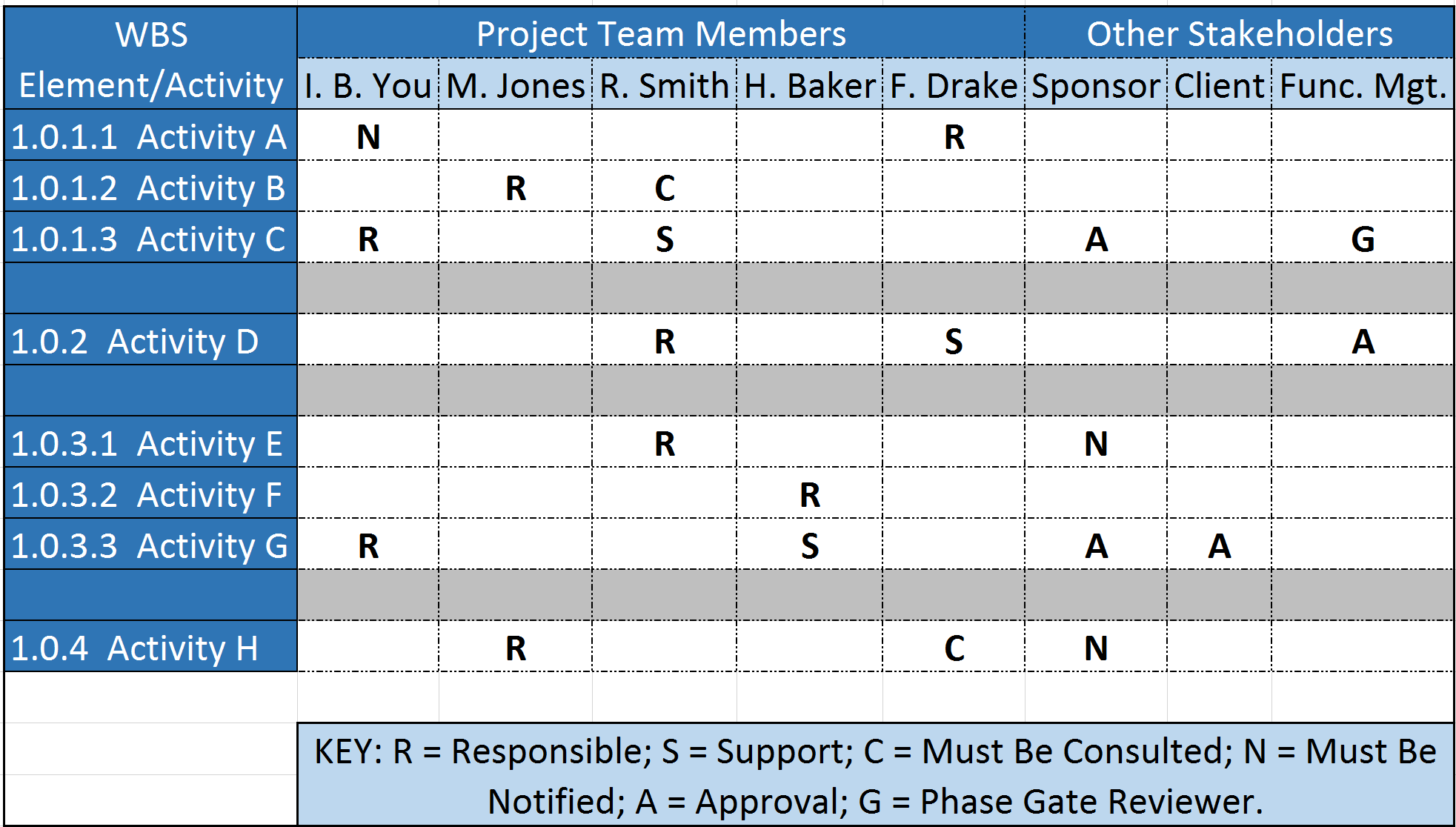
Figure 3 - Responsibility Assignment Matrix (RAM)
Source: Giammalvo, Paul D (2015) Course Materials. Contributed Under Creative Commons License BY v 4.0
In some organizations, a RAM is also called a “RACI Chart” (Responsible, Accountable, Consulted or Informed)
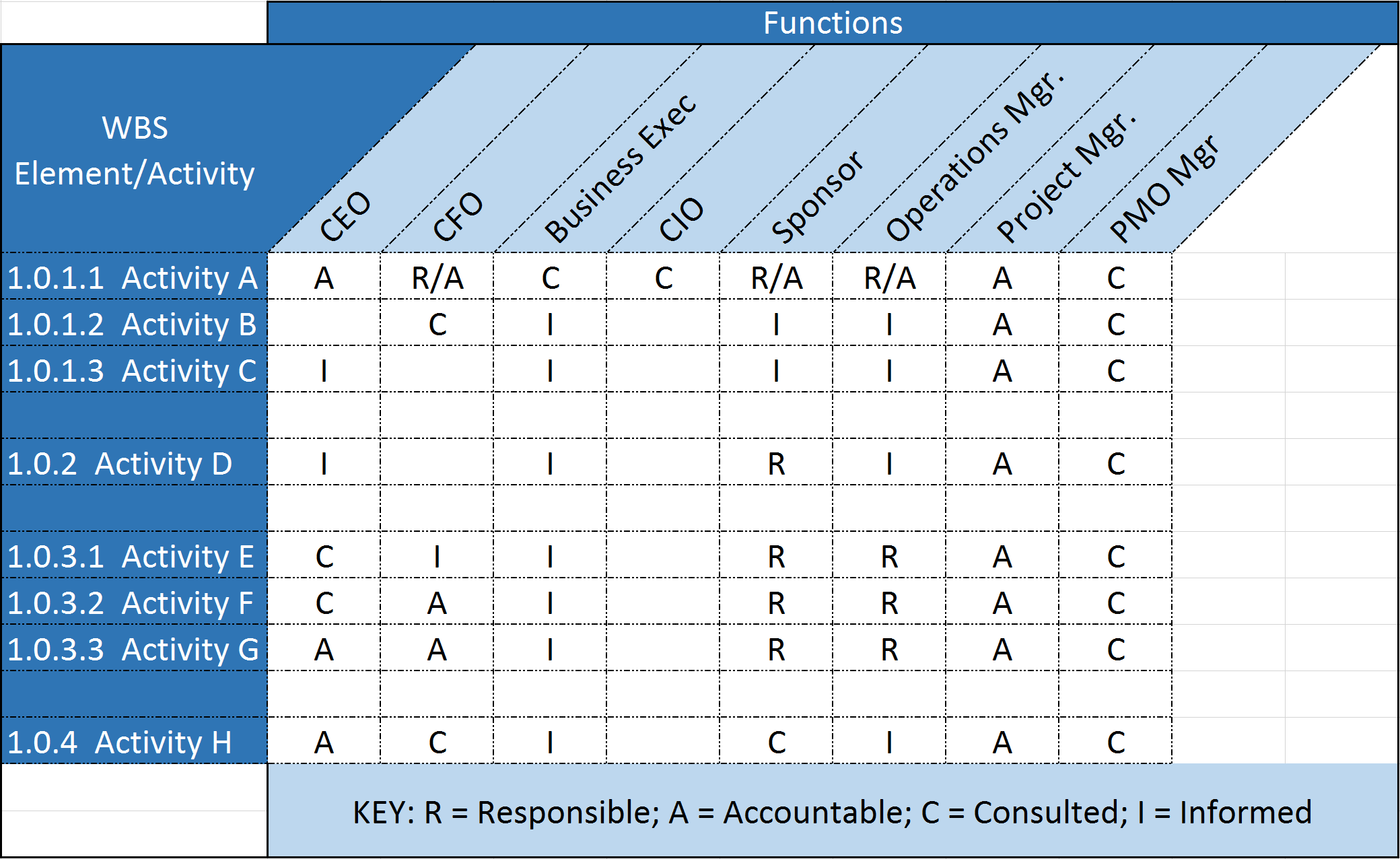
Figure 4 - RACI Chart
Source: Giammalvo, Paul D (2015) Course Materials. Contributed Under Creative Commons License BY v 4.0
While there are innumerable templates available on the internet and in organisations, to be consistent it is good practice to adopt a standardised approach wherever possible.
03.5.3.2 Work Authorisation Documents
Until a specific activity or group of activities has been authorized and assigned, either to an insourced or outsourced individual, they remain known as PLANNING Packages. It is only when an activity or group of activities has been authorized and have been assigned to a Single Point of Contact (SPOC) that they are known as WORK Packages.
Work authorizations can take many forms and are largely dependent upon the contracting type, the most common work authorization being a Notice To Proceed (NTP) which is issued to contractors under a firm fixed price contract, upon completion of some preliminary conditions. Some projects simply need the NTP at the commencement of the Works.
- Other possible terms which take the place of the Notice to Proceed (NTP) are “work order”, “purchase order” or “work directive”.
Essentially any formal document issued by the owner or owner’s representative which either authorizes or directs a contractor to be able to work on a specific Work Package is a Work Authorisation. The level of detail may be very high or generic and refer to an entire project or project phase or it may be specific to a single activity or minor work location. Each Work Authorisation will document specific conditions or requirements to be met or worked within.
However, even in firm fixed price contracts, there are certain areas where permission or clearance or a “permit” needs to be granted by the owner or operator before contract work can begin.
On any given project there may be only a few or many of them but in the context of this module (Module 3 - Managing Scope) we need to make certain that there are WBS Elements which address these requirements, which are normally found in CSI Masterformat /OmniClass Table 22, Division 1 “General Conditions”. Failure by owners to include WBS element(s) will result in claims and change orders if the owner is not clear in requiring the contractor to include them in the price. Which is why the use of “STANDARDIZED” WBS structures as checklists for owners in particular is so important in helping to minimize clams and disputes.
For contractors, failure to include costing and pricing for ALL the General Conditions, including the time it takes to obtain these working permits and security clearances, will result in you underestimating the costs of the project.
Very important to also keep in mind that as a “best tested and proven” practice is it NOT a prudent practice for a contractor to start work without a signed contract in place AND a legal document authorizing work to begin. Likewise, it is not a prudent practice for an owner to authorize the start of work without having a cost and resource loaded CPM schedule, a schedule of values (unit prices from the contractor) and a list of key vendors for the purposes of obtaining a release of lien.
To see more on why these elements are important, go to Module 5 - Managing Contracts
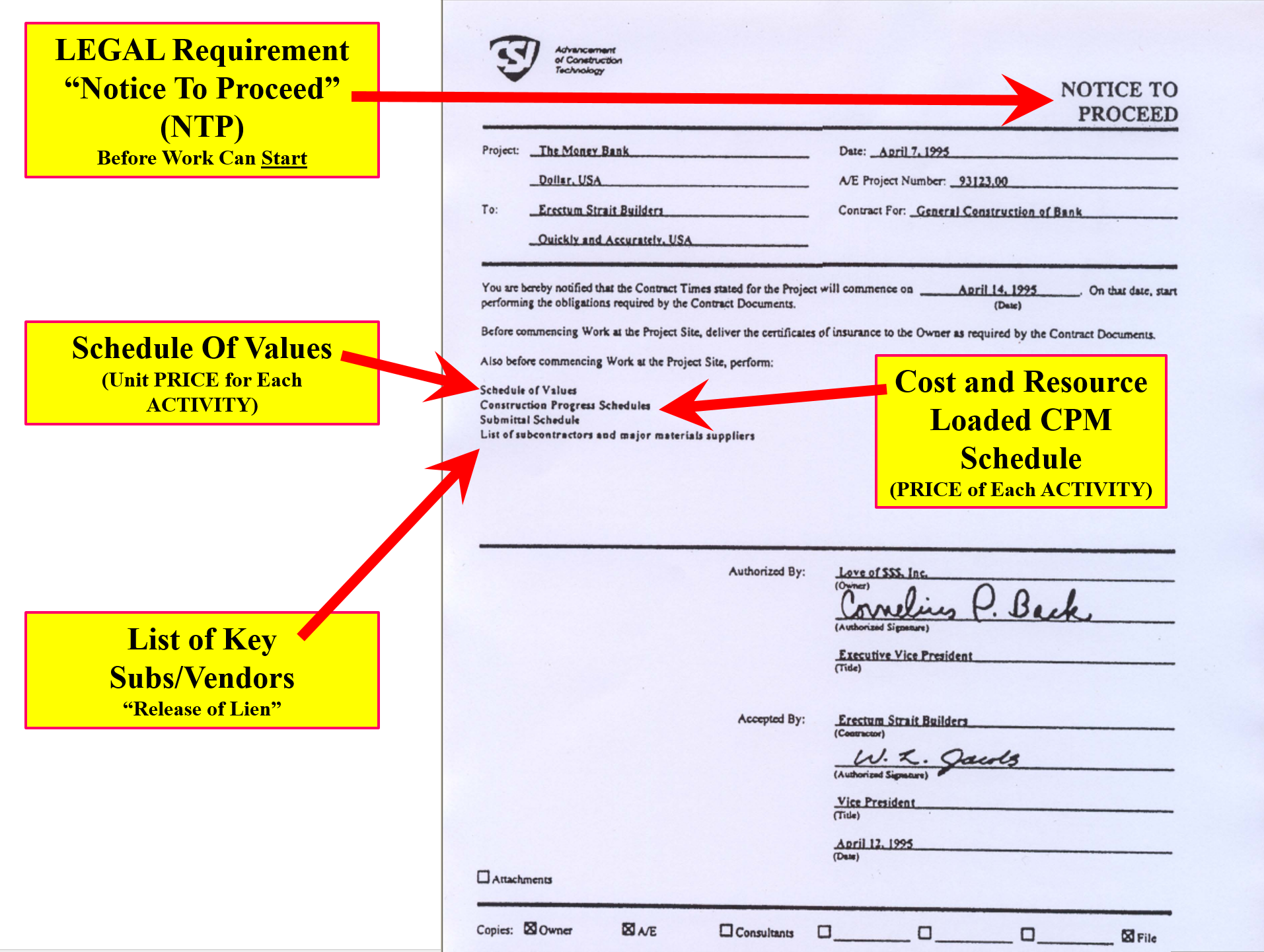
Figure 5- Typical “Notice to Proceed” (NTP) document
Source: Construction Specifications Institute’s Manual Of Practice 5th Edition
As we can see from Figure 5, before a “Notice to Proceed” is issued, the owner has required the contractor to fulfil or comply with certain conditions, amongst which is to provide a fully cost and resource loaded CPM schedule, a “schedule of values” showing the unit prices of all key elements and a list of key subcontractors and vendors, which eventually the owner will be requiring the contractor to produce a “release of lien” ensuring that the contractor has paid his subcontractors and vendors in full. This subject will be explored in more detail under Module 5 - Managing Contracts.
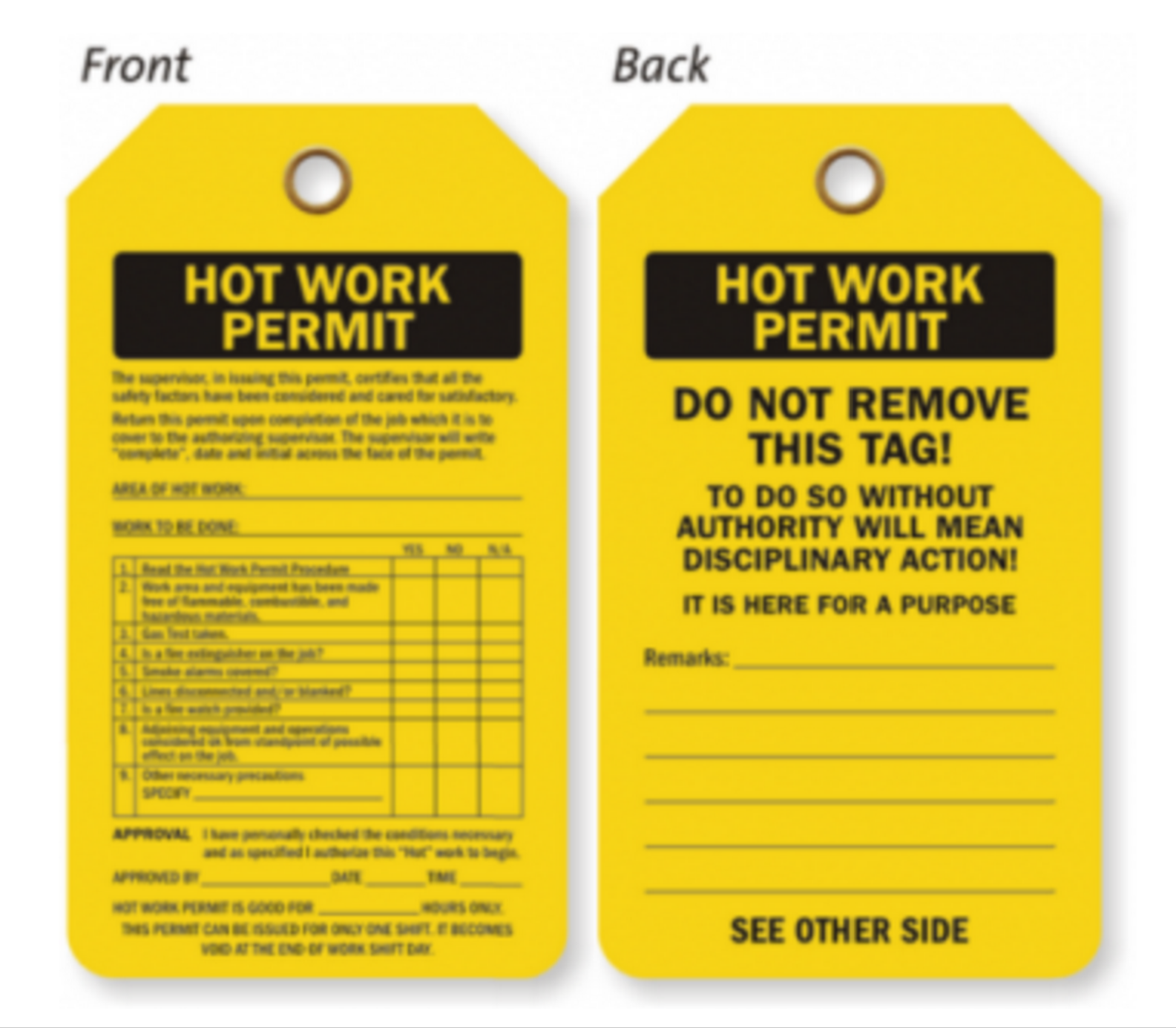
Figure 6 - Permit to Work
Source: Giammalvo, Paul D (2015) Course Materials. Contributed Under Creative Commons License BY v 4.0
Another example of a “work authorization” document is known as a “Hot Work” permit (refer Figure 6) From the perspective of a Project Controls Practitioner, knowing and understanding which activities need special work authorization is important because it takes both time and money to obtain these permits and either additional activities have to be added to account for this time and expense or additional duration has to be built into the activity work package.
Other examples of “Work Authorization” documents could be security clearances, helicopter ditch training (for those working on offshore oil platforms) or “first responder” medical certification.
These requirements would all be listed in the “Notice to Proceed” document to ensure they are included in the contractors cost and resource loaded CPM schedule and schedule of values.
In many cases, such as working in nuclear power or offshore oil platforms, it may take a week or more for a contractor to get his / her own work forces or that of his / her subcontractors and vendors, trained and approved to start work.
When a Work Authorisation of any type has been issued, project controls team should be made aware of it as it establishes the OFFICIAL start of a work package understanding that the physical (actual) start may actually lag behind the official start. Once again, it is these seemingly small details which play an important role in the event disputes or claims arise after the fact.
03.5.4 OUTPUTS
- Control Managers Assigned (At The Appropriate Definition Level) Matching The WBS To The Organization Unit Responsible For That WBS Element Or Activities.
- Completed Responsibility Assignment Matrix (RAM) Or RACI Charts
- Authorization to Execute A WBS Element Or Activities (Work Packages)
- Notice To Proceed (NTP) or Other Work Authorization Documents
03.5.5 REFERENCES & TEMPLATES
- Project Management Tips - Responsibility Assignment Matrix (RAM)
03.6 - Module 03-6 - Accepting Completed Deliverables
GPCCAR M03-5, Revision 1.01